

 English
 русский

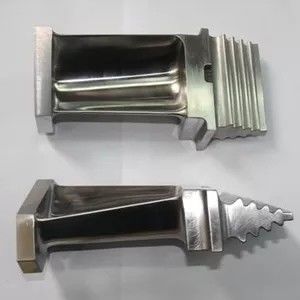
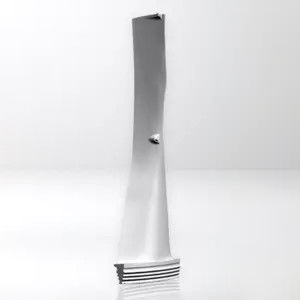
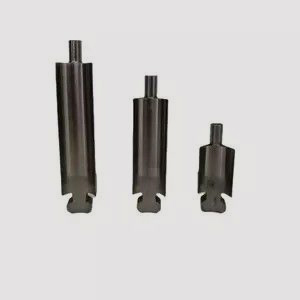
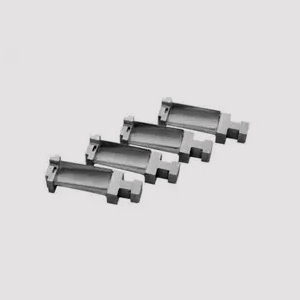
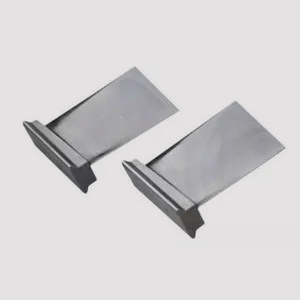
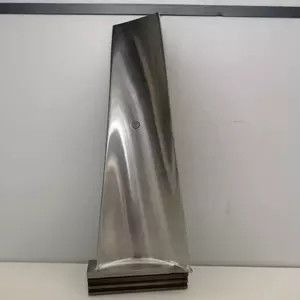
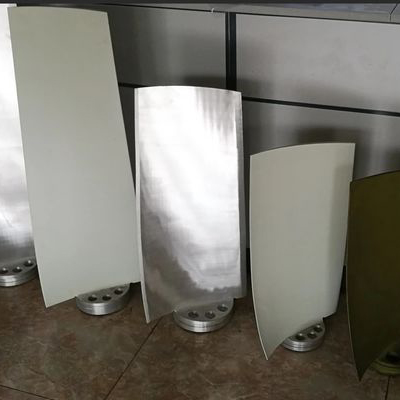
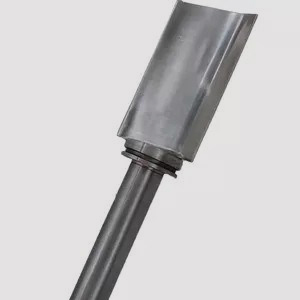
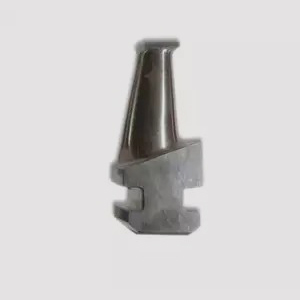
ISO9001 Precision Forged Blades For Steam Turbine Manufacturers
Jiangyin Golden Machinery Equipment Co., Ltd.
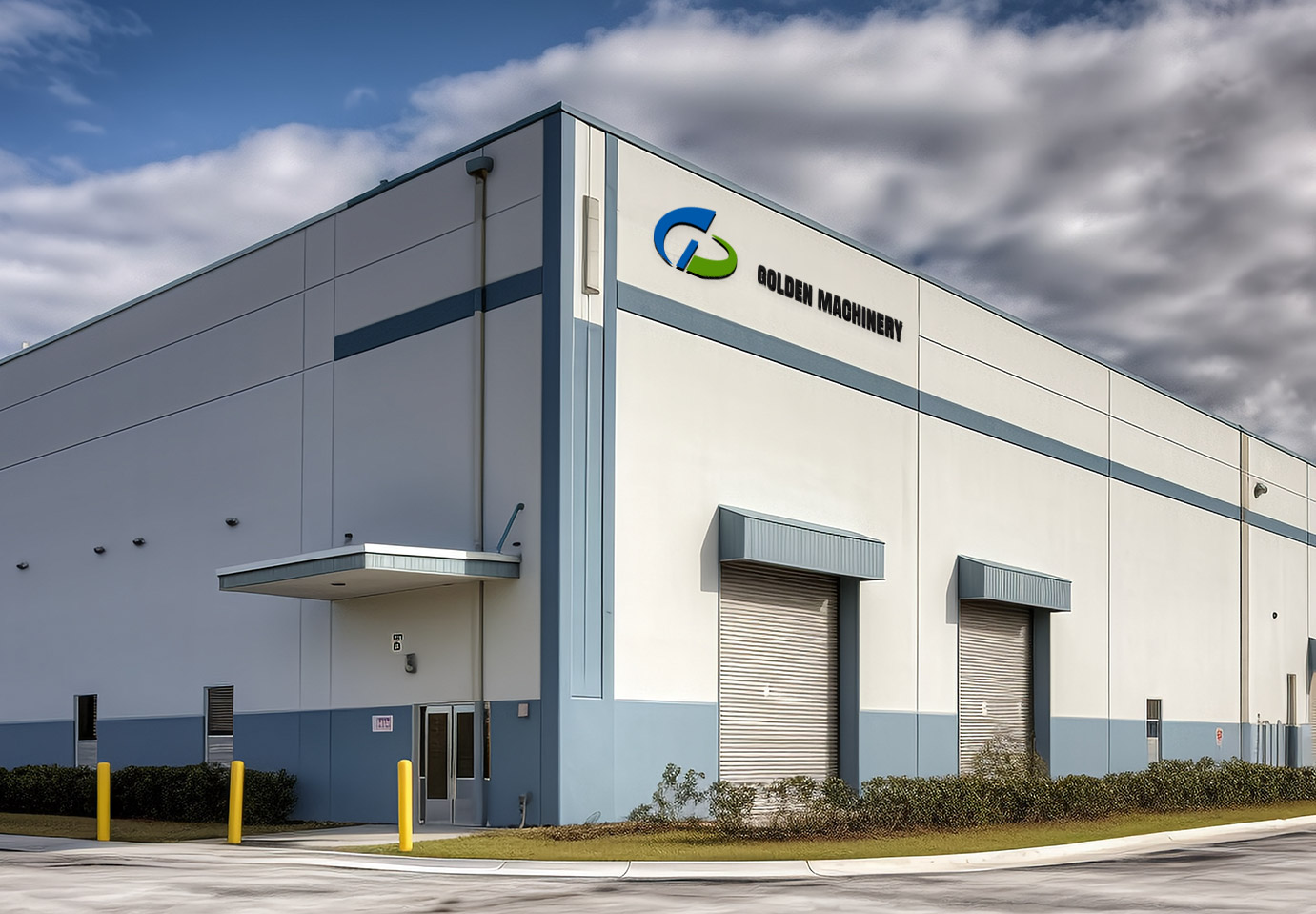
Jiangyin Golden Machinery Equipment Co., Ltd. covers an area of 10,000 square meters and has several standardized workshops. We specialize in the production of medium and small forgings and flanges, supported by advanced equipment and mature production technologies for sawing, forging, heat treatment, and precision rough machining.
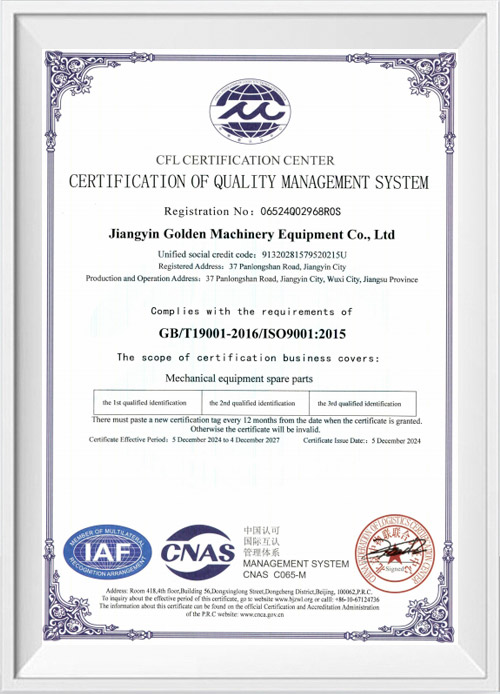
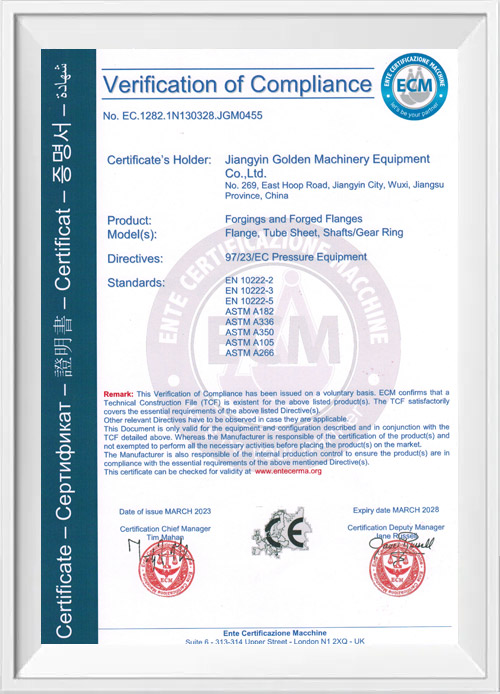
We are China ISO9001 Precision Forged Blades For Steam Turbine Manufacturers and Custom ISO9001 Precision Steam Turbine Forged Blades Factory. We are capable of meeting the requirements of customers across multiple industries, including power, petroleum, chemical engineering, metallurgy, machinery, light industry, and shipbuilding. By actively expanding into international markets, we have established cooperative relationships with several well-known enterprises, including Rich Reiter (Sweden), Alstom (France), Konecranes (Finland), Danieli (Italy), and General Electric (USA). Our products and services have earned wide recognition and praise from customers.
certification
-
 ISO9004
 -
 ECM
ECM -
ISO9001
News
-
Industry News 2026-07-17
Precision Metal Components Steel Shaft Selection Guide: Materials, Manufacturing, and Performance A steel shaft's performance depends on decisions made long be...
View More -
Industry News 2026-07-10
What Is Ring Forging Ring forging is a metal-shaping process that produces seamless, circular components by deforming a pierced metal blank under high pressure...
View More -
Industry News 2026-07-03
What Determines Load Capacity and Fatigue Life in a Steel Eccentric Shaft A steel eccentric shaft transmits rotating force off-center from its axis, and the f...
View More -
Industry News 2026-06-22
What "Forged in Steel" Actually Means for Part Performance A component is forged in steel when a solid billet is compressed under high pressure — by hammer, p...
View More -
Industry News 2026-06-16
What Is Forged Alloy Steel Forged alloy steel is steel that has been shaped through the application of compressive force — hammer blows or die pressing — at el...
View More
Steam Turbine Blades Industry Knowledge
What Are Precision Forged Blades for Steam Turbines and Why Are They Important in Power Generation?
Precision forged blades for steam turbines are a crucial component in the power generation industry. These blades are responsible for converting steam energy into mechanical energy, playing a vital role in ensuring the efficiency and reliability of steam turbines.
Understanding Precision Forged Blades for Steam Turbines
Precision forging is a manufacturing process that shapes metal using high-pressure dies, resulting in components with superior strength, durability, and dimensional accuracy. When it comes to steam turbine blades, this process is crucial due to the extreme operating conditions these blades must withstand.
Steam turbines operate at high temperatures, high pressures, and in environments with significant mechanical stresses. The blades need to handle not only the steam flow but also the thermal expansion and vibration forces during operation. As such, precision forged blades for steam turbines are designed to offer excellent fatigue resistance, corrosion resistance, and thermal stability.
In addition to their functional benefits, precision forged blades offer manufacturers greater control over the blade's material properties, such as its grain structure and strength. This ensures that each blade is optimized for performance, reducing maintenance costs and increasing the turbine's operational lifespan.
Manufacturing Process of Precision Forged Blades for Steam Turbines
Material Selection
The material for precision forged blades is typically a high-quality alloy, such as nickel-based superalloys, which offer high tensile strength, resistance to oxidation, and excellent mechanical properties at elevated temperatures. Other materials may include stainless steel and titanium alloys depending on the specific requirements of the turbine.
Smelting and Forging
The first step in manufacturing precision forged blades involves smelting the selected alloy to create the raw material. This is followed by the forging process, where the material is heated to a malleable temperature and then shaped under high pressure. The result is a blade with a grain structure that is oriented to enhance its strength and resistance to fatigue.
Heat Treatment
Once the blades are forged, they undergo a heat treatment process to further enhance their mechanical properties. Heat treatment helps to relieve internal stresses, improve hardness, and ensure that the material can withstand high temperatures during turbine operation. The process is carefully controlled to ensure uniformity and consistency.
Rough Machining and Finishing
After heat treatment, the blades undergo rough machining to remove excess material and shape them to the required dimensions. Precision machining is then performed to achieve the final blade shape and surface finish, ensuring the necessary tolerance and smoothness required for optimal turbine performance.
Inspection and Quality Control
Quality control is a critical step in the production of precision forged blades. Advanced non-destructive testing (NDT), such as ultrasonic testing, is employed to detect any internal defects that might compromise the blade's integrity. Chemical analysis and mechanical testing are also conducted to ensure the blade meets the required specifications for strength, corrosion resistance, and fatigue resistance.
Key Features and Advantages of Precision Forged Blades for Steam Turbines
| Feature | Description | Benefit |
|---|---|---|
| High Strength-to-Weight Ratio | Precision forged blades are made from high-strength alloys that provide strength without unnecessary weight. | Increases turbine efficiency and reduces operational strain. |
| Fatigue Resistance | The precision forging process produces blades with superior fatigue resistance due to the fine grain structure. | Ensures longer blade lifespan and reduces the need for frequent replacements. |
| Corrosion and Oxidation Resistance | The materials used in precision forged blades, such as nickel-based alloys, are highly resistant to corrosion and oxidation at high temperatures. | Protects the blades from steam corrosion and extends operational life in harsh environments. |
| Enhanced Thermal Stability | These blades are designed to perform in high-temperature environments without losing their mechanical properties. | Ensures reliable turbine operation even under extreme thermal conditions. |
| Dimensional Precision | The precision forging process allows for tight tolerances and high dimensional accuracy. | Enhances the aerodynamic efficiency and overall performance of the turbine. |
Applications of Precision Forged Blades for Steam Turbines
Precision forged blades for steam turbines are used primarily in power generation plants, where they play a vital role in converting steam energy into mechanical energy. Their applications extend across various sectors, including:
- Power Generation: In thermal power plants, steam turbines with precision forged blades are used to generate electricity by converting the thermal energy of steam into mechanical energy.
- Marine Engineering: Steam turbines are used in ships and other marine vessels for propulsion, where precision forged blades ensure efficient performance even in challenging maritime conditions.
- Oil and Gas: In offshore and onshore oil rigs, steam turbines are used for power generation and mechanical drive applications, requiring blades that can withstand harsh environments.
- Chemical and Metallurgical Industries: Steam turbines are essential in many chemical and metallurgical processes, where precision forged blades provide the required reliability and efficiency.
Why Choose Golden Machinery?
Jiangyin Golden Machinery Equipment Co., Ltd. is one of the leading manufacturers of precision forged components, including blades for steam turbines. The company specializes in the production of small- and medium-sized forgings and flanges, offering a range of products that cater to industries such as power generation, oil and gas, and marine engineering.
With a strong commitment to quality, Jiangyin Golden Machinery Equipment Co., Ltd. supports its customers throughout the product lifecycle, from design and tooling to technical assistance and production. Their manufacturing capabilities ensure that the precision forged blades meet the stringent demands of steam turbines used in high-pressure, high-temperature environments.
FAQ
1. What are the benefits of precision forging for steam turbine blades?
Precision forging ensures that the steam turbine blades have high strength, excellent fatigue resistance, and superior thermal stability, allowing them to perform efficiently under extreme operating conditions.
2. What materials are used for precision forged blades for steam turbines?
Nickel-based superalloys, stainless steel, and titanium alloys are commonly used due to their excellent mechanical properties, corrosion resistance, and performance at high temperatures.
3. How do precision forged blades enhance turbine efficiency?
The blades' high strength-to-weight ratio and aerodynamic design contribute to the efficient conversion of steam energy into mechanical energy, improving the overall efficiency of the turbine.
4. How does Jiangyin Golden Machinery Equipment Co., Ltd. ensure the quality of its forged blades?
The company uses advanced non-destructive testing, chemical analysis, and mechanical testing to ensure that its precision forged blades meet the highest quality standards, offering reliability and performance in demanding applications.
5. Can precision forged blades for steam turbines be customized for specific applications?
Yes, precision forged blades can be tailored to meet the specific requirements of different turbine models and operating environments, ensuring optimal performance in each application.
If you are interested in our products, please feel free to contact us.

-
 Tel/Wechat: 86-13646165906
-
 E-mail: [email protected]
[email protected]
[email protected] -
 WhatsApp: 86-13646165906
-
 Add: No. 37, Panlongshan Road, Jiangyin City, Jiangsu Province, China
Copyright © Jiangyin Golden Machinery Equipment Co., Ltd.Rights Reserved.
Custom ISO9001 Precision Forged Blades For Steam Turbine Manufacturers


