

 English
 русский

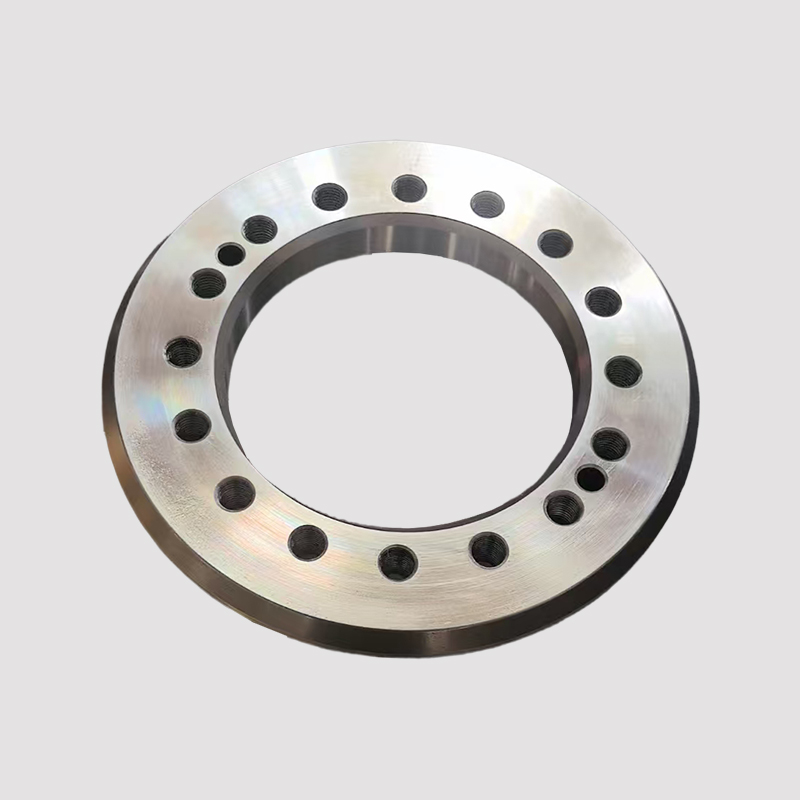
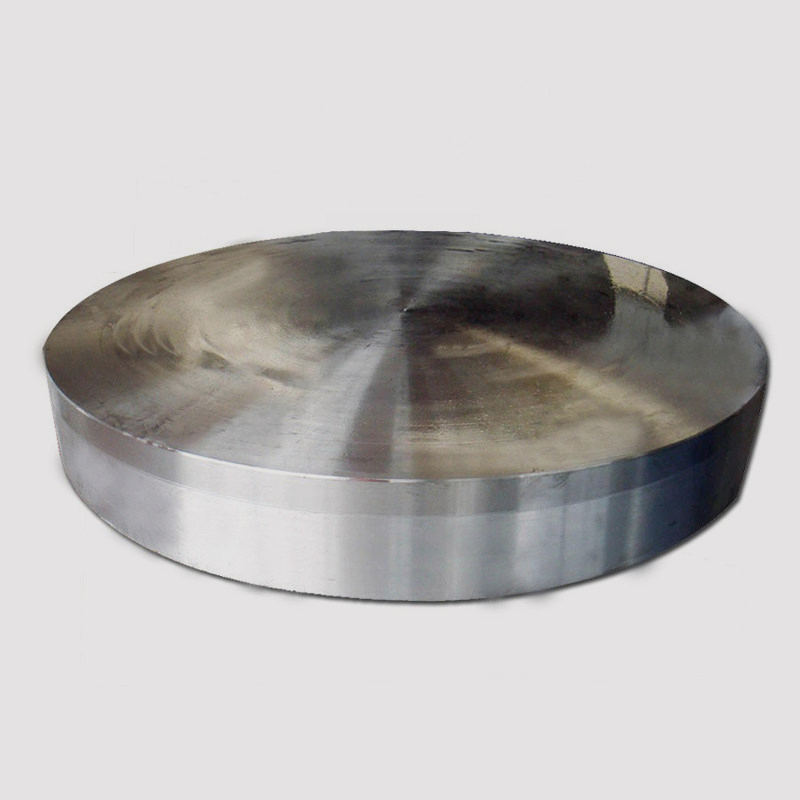
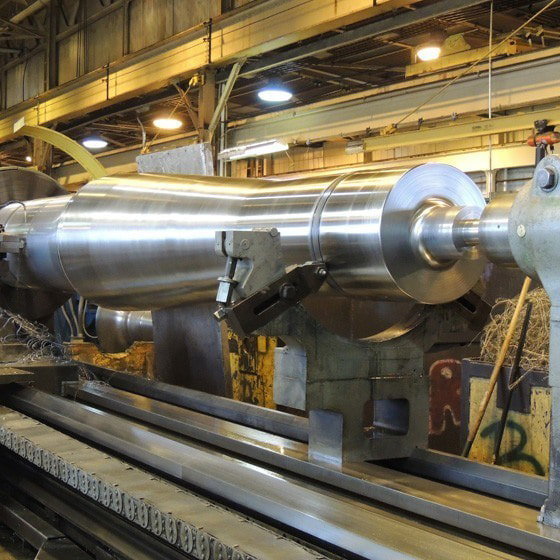
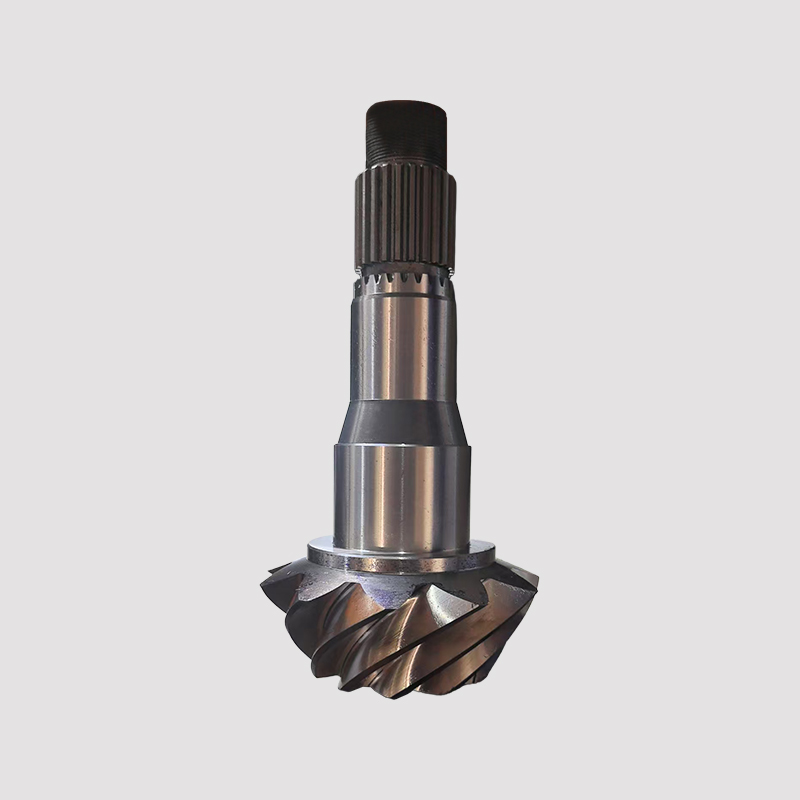
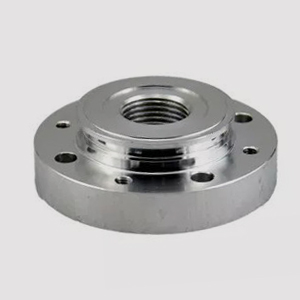
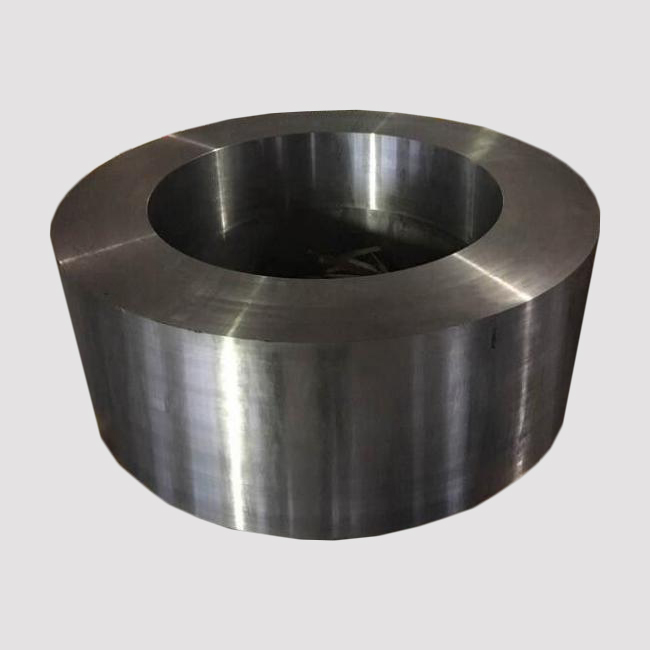
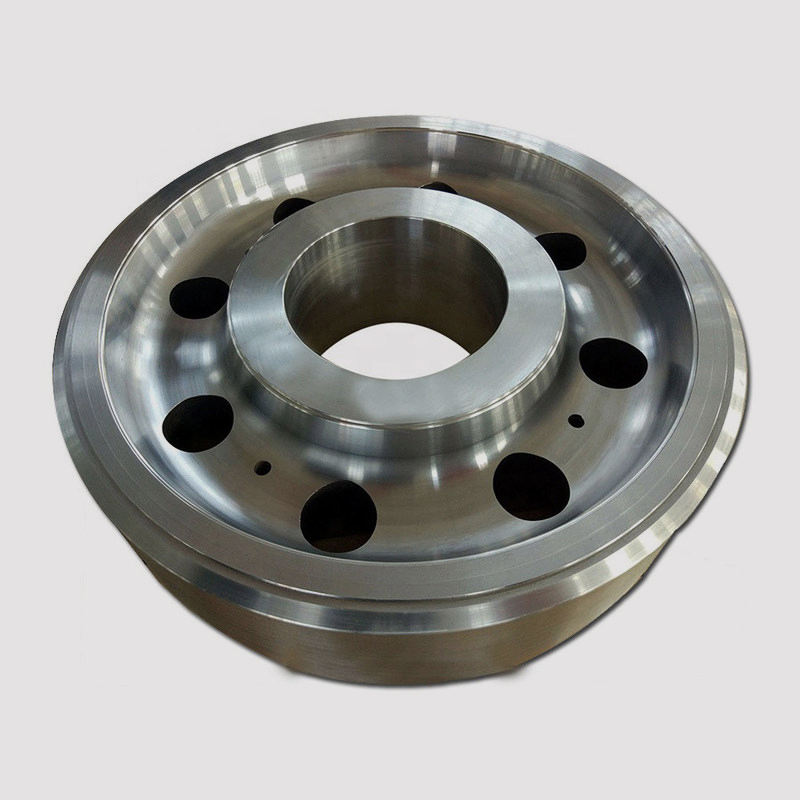
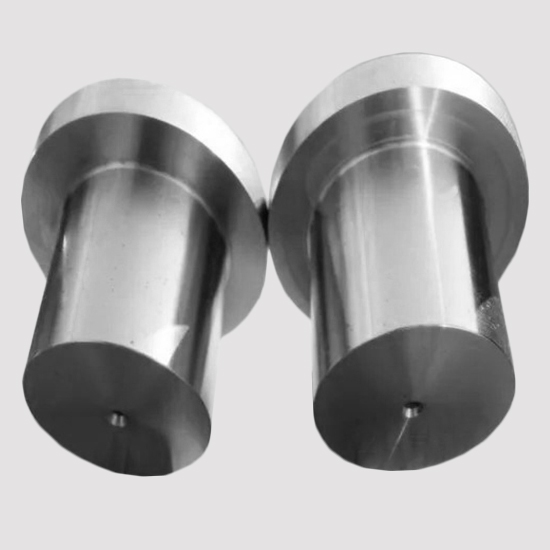
Forged Flanges/Shaft/Impeller/Casting Roller Manufacturers
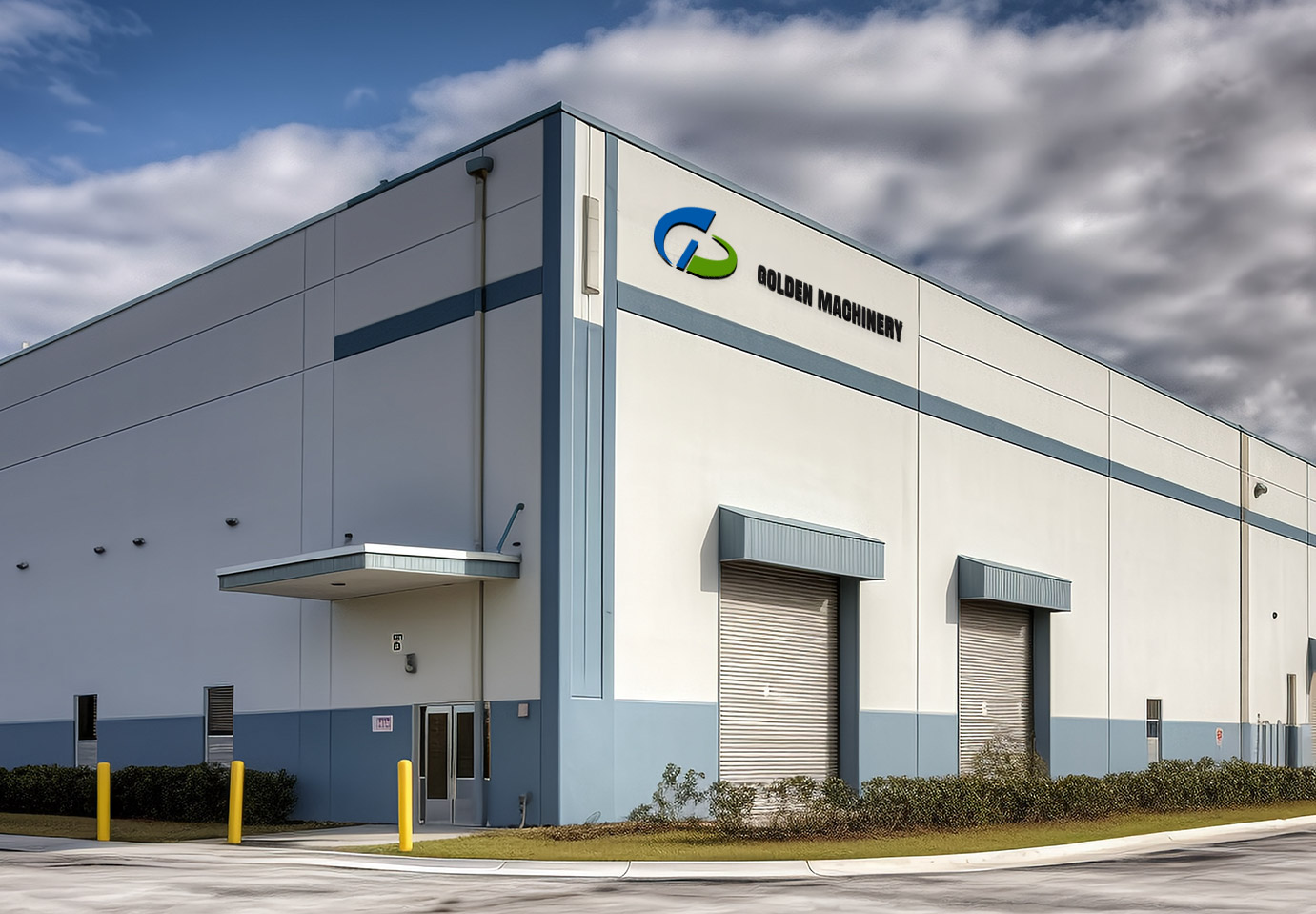
Jiangyin Golden Machinery Equipment Co., Ltd.
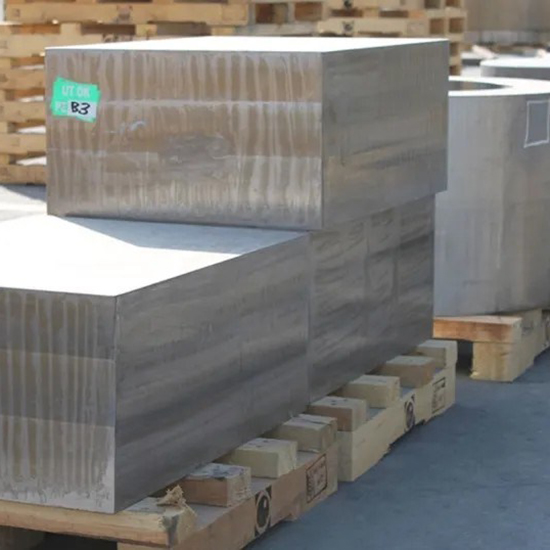
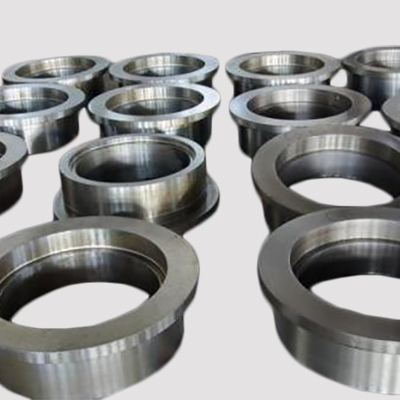
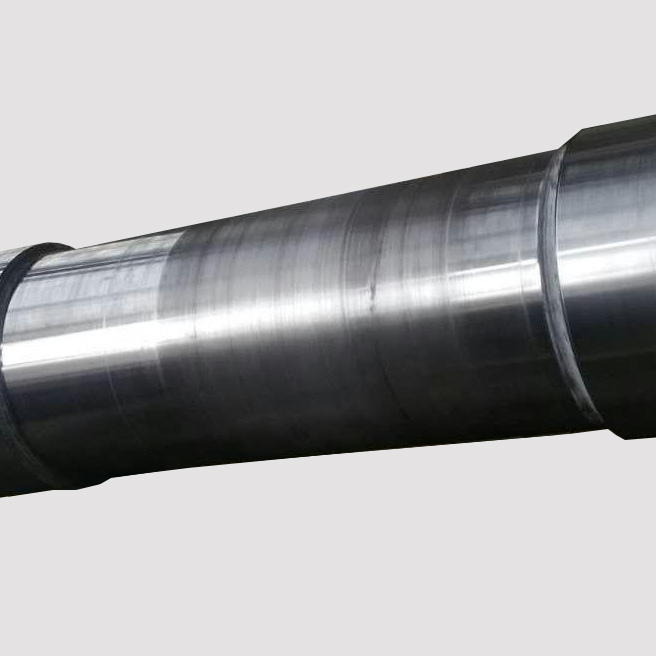
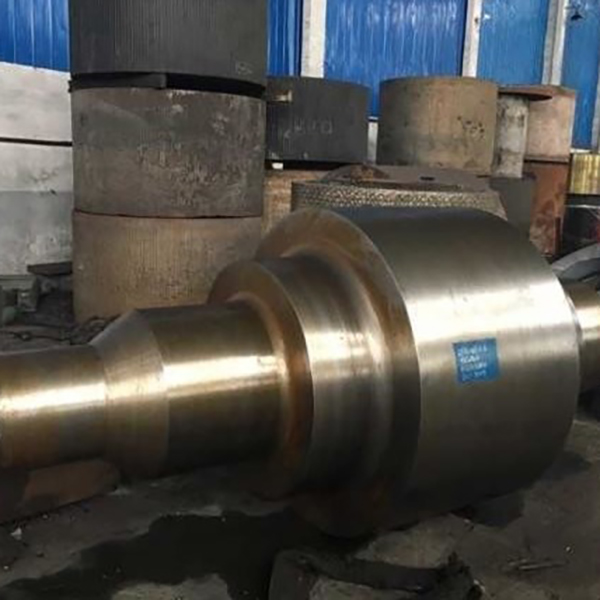
Jiangyin Golden Machinery Equipment Co., Ltd. covers an area of 10,000 square meters and has several standardized workshops. We specialize in the production of medium and small forgings and flanges, supported by advanced equipment and mature production technologies for sawing, forging, heat treatment, and precision rough machining.
We are China Forged Flanges/Shaft/Impeller/Casting Roller Manufacturers and Custom Forged Flanges/Shaft/Impeller/Casting Roller Factory. We are capable of meeting the requirements of customers across multiple industries, including power, petroleum, chemical engineering, metallurgy, machinery, light industry, and shipbuilding. By actively expanding into international markets, we have established cooperative relationships with several well-known enterprises, including Rich Reiter (Sweden), Alstom (France), Konecranes (Finland), Danieli (Italy), and General Electric (USA). Our products and services have earned wide recognition and praise from customers.
certification
-
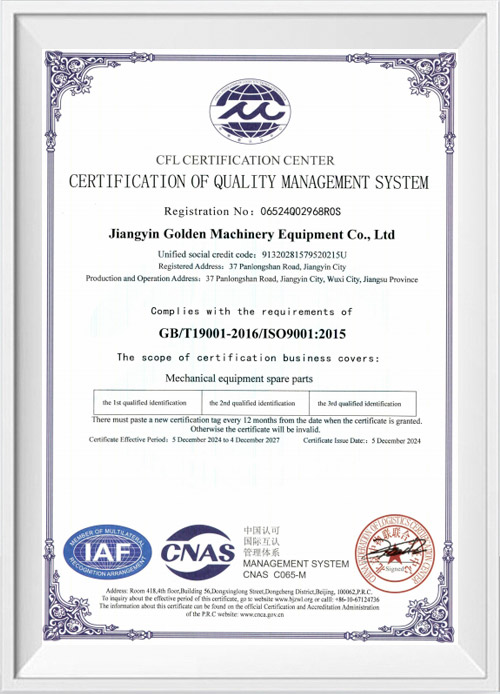 ISO9004
 -
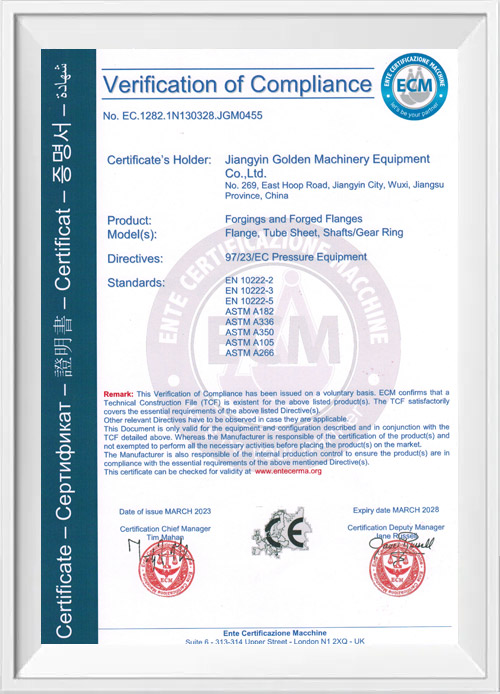 ECM
ECM -
ISO9001
News
-
Industry News 2026-07-10
What Is Ring Forging Ring forging is a metal-shaping process that produces seamless, circular components by deforming a pierced metal blank under high pressure...
View More -
Industry News 2026-07-03
What Determines Load Capacity and Fatigue Life in a Steel Eccentric Shaft A steel eccentric shaft transmits rotating force off-center from its axis, and the f...
View More -
Industry News 2026-06-22
What "Forged in Steel" Actually Means for Part Performance A component is forged in steel when a solid billet is compressed under high pressure — by hammer, p...
View More -
Industry News 2026-06-16
What Is Forged Alloy Steel Forged alloy steel is steel that has been shaped through the application of compressive force — hammer blows or die pressing — at el...
View More -
Industry News 2026-06-12
Forging of Steel: Process Fundamentals and Why It Matters Steel forging is a manufacturing process in which a steel workpiece is shaped under compressive force...
View More
Forged Flanges/Shaft/Impeller/Casting Roller Industry Knowledge
Why Forged Shafts Offer Higher Fatigue Strength Than Castings in Extreme Load Environments?
In extreme load environments such as heavy machinery, power generation, or offshore engineering, the reliability of shaft components determines the safety of the entire system. Jiangyin Golden Machinery Equipment Co., Ltd., strategically located in the Yangtze River Delta with a 10,000-square-meter standardized facility, is dedicated to providing high-performance forging solutions for global customers.
The Core Difference: Continuity of Metal Grain Flow
The most fundamental difference between forging and casting lies in the internal microstructure of the metal.
- Forging Process: At the production lines of Jiangyin Golden Machinery Equipment Co., Ltd., metal is plastically deformed under pressure. This process not only eliminates internal porosity but, more importantly, creates continuous grain flow.
- Casting Process: Molten metal is cooled into a shape, resulting in a random, non-directional grain structure. Castings are also susceptible to shrinkage, gas holes, and segregation.
Key Performance Parameter Comparison
The following table illustrates the typical performance differences between forged and cast shafts using the same material (e.g., 42CrMo4) under extreme loads:
| Performance Index | Forged Shaft | Cast Shaft | Advantage Description |
| Fatigue Strength | High (100%) | Medium/Low (Approx. 60%-70%) | Grain flow aligns with stress direction, significantly increasing fatigue life. |
| Tensile Strength | Higher (e.g., 900 MPa) | Lower (e.g., 700 MPa) | Dense structure provides stronger load-bearing capacity. |
| Impact Toughness | High (Excellent low-temp performance) | Lower and Unstable | Forging eliminates micro-defects, preventing brittle fracture. |
| Structural Integrity | Extremely High (No porosity) | Subject to micro-shrinkage | Ensures high pass rates for Non-Destructive Examination (NDE). |
Why Choose Jiangyin Golden Machinery Equipment Co., Ltd.?
As a supplier to international giants such as Alstom, Konecranes, Danieli, and General Electric, we provide more than just products—we provide full-process quality assurance:
- Integrated Production: We possess complete lines for smelting, forging, heat treatment, and machining to ensure the structural uniformity of every Forged Flanges or shaft component.
- Rigorous Testing: Our facility is equipped for chemical analysis, mechanical testing, metallographic inspection, and full NDE to ensure zero failures under extreme conditions.
- Engineering Expertise: Our 120 staff members, including 18 engineers, provide technical assistance from product design and tooling to final production.
Frequently Asked Questions (FAQ)
- Q1: How does Jiangyin Golden Machinery Equipment Co., Ltd. ensure the safety of shaft forgings in high-pressure environments? We ensure safety through complete production control and rigorous in-house testing, including UT and MT. Leveraging our experience supplying GE and Danieli, our engineers optimize heat treatment processes based on extreme load requirements to ensure yield strength and fatigue life meet design limits.
- Q2: What advantages does Jiangyin Golden Machinery Equipment Co., Ltd. offer for customized orders compared to other suppliers?
With a 10,000-square-meter facility in Jiangyin City, we offer more than standard manufacturing. We provide strong engineering capabilities, managing everything from initial product design and tooling development to final precision machining. This allows Jiangyin Golden Machinery Equipment Co., Ltd. to quickly deliver high-precision forged shafts and flanges tailored to the specific needs of the power and oil & gas industries. - Q3: Why choose forgings from Jiangyin Golden Machinery Equipment Co., Ltd. over cheaper castings for heavy machinery?
While castings have lower initial costs, invisible defects like gas holes can lead to expensive downtime or safety incidents under extreme loads. Jiangyin Golden Machinery Equipment Co., Ltd. produces forgings with higher fatigue strength and impact resistance, significantly extending equipment service life and providing better long-term value and brand reputation.
If you are interested in our products, please feel free to contact us.

-
 Tel/Wechat: 86-13646165906
-
 E-mail: [email protected]
[email protected]
[email protected] -
 WhatsApp: 86-13646165906
-
 Add: No. 37, Panlongshan Road, Jiangyin City, Jiangsu Province, China
Copyright © Jiangyin Golden Machinery Equipment Co., Ltd.Rights Reserved.
Custom Forged Flanges/Shaft/Impeller/Casting Roller Manufacturers


