

 English
 русский

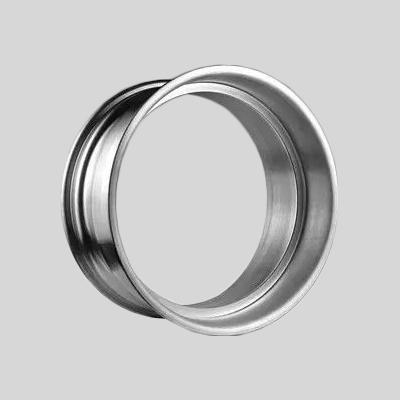
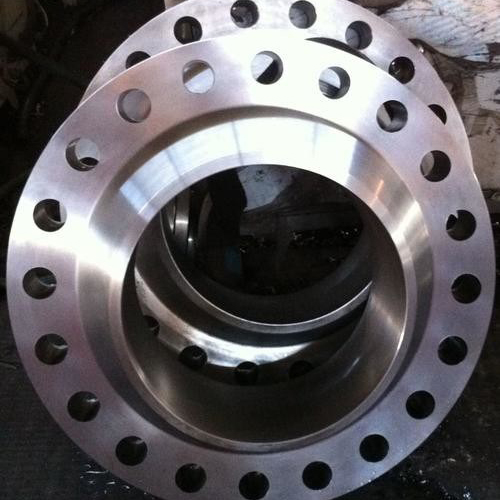
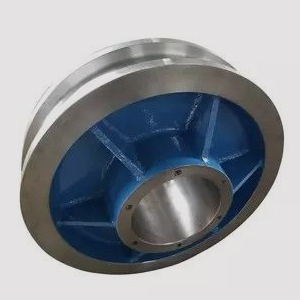
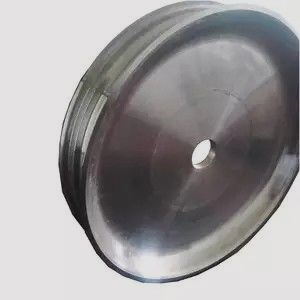
Forged Wheel Blank Manufacturers
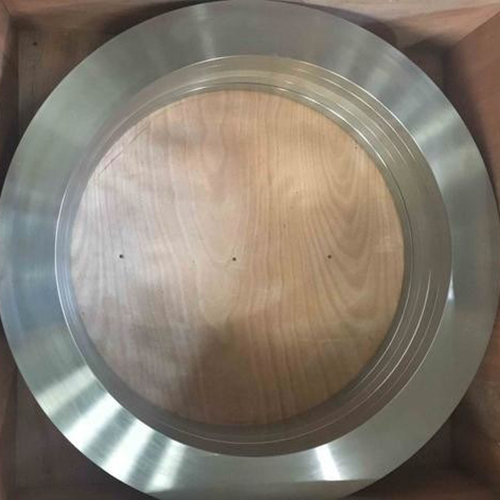
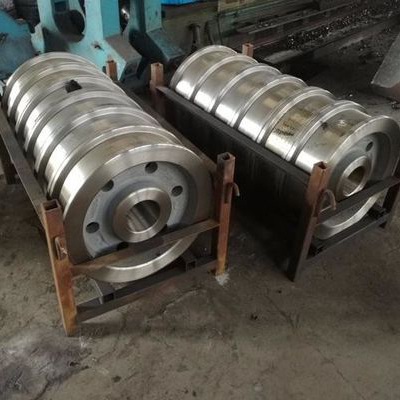
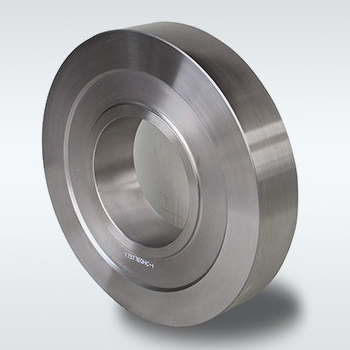
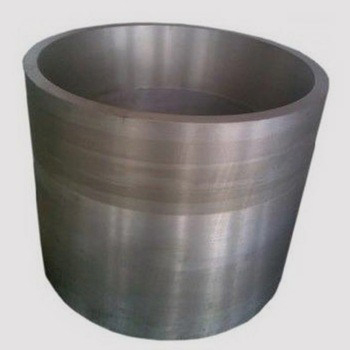
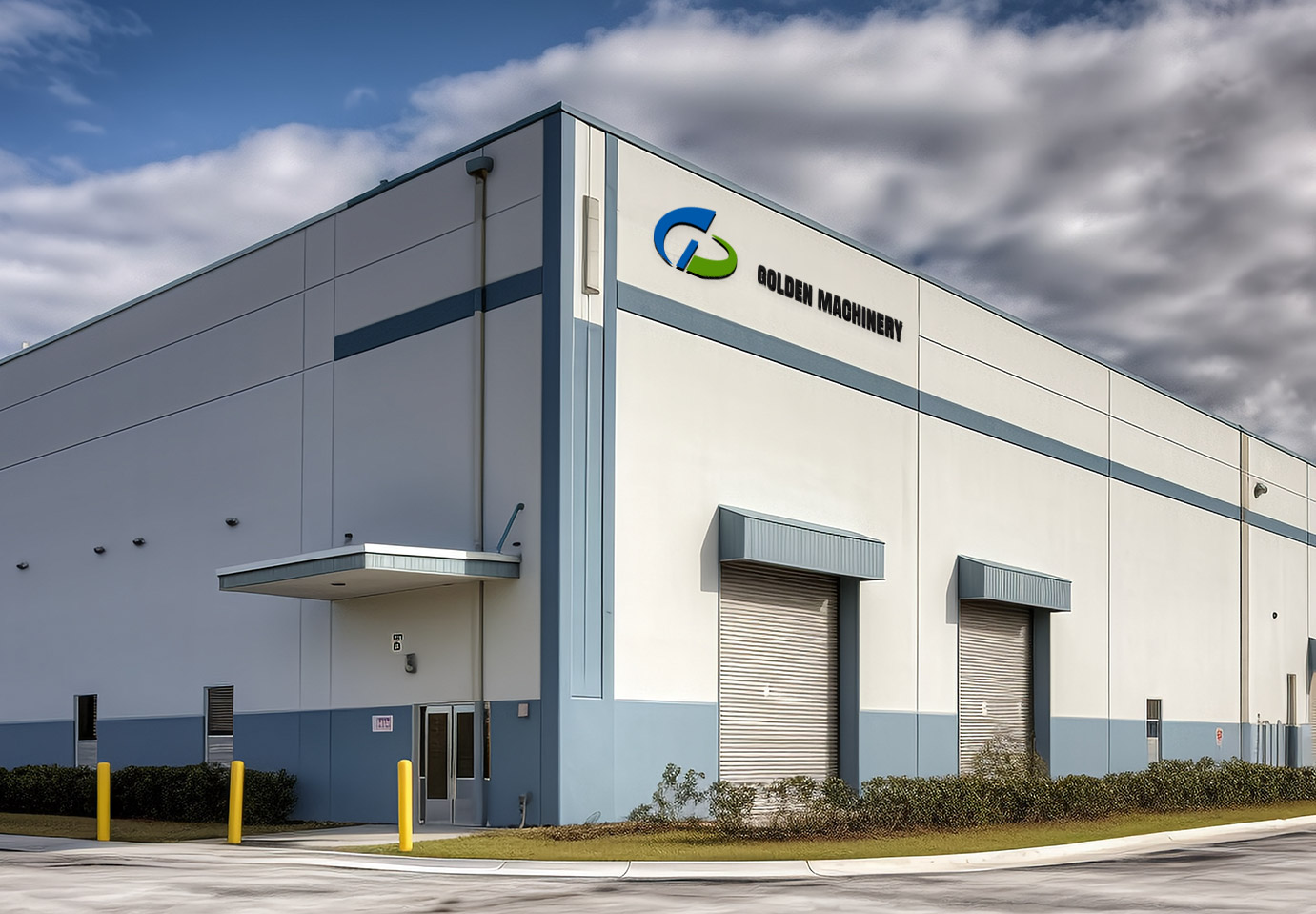
Jiangyin Golden Machinery Equipment Co., Ltd.
Jiangyin Golden Machinery Equipment Co., Ltd. covers an area of 10,000 square meters and has several standardized workshops. We specialize in the production of medium and small forgings and flanges, supported by advanced equipment and mature production technologies for sawing, forging, heat treatment, and precision rough machining.
We are China Forged Wheel Blank Manufacturers and Custom Forged Wheel Blank Factory. We are capable of meeting the requirements of customers across multiple industries, including power, petroleum, chemical engineering, metallurgy, machinery, light industry, and shipbuilding. By actively expanding into international markets, we have established cooperative relationships with several well-known enterprises, including Rich Reiter (Sweden), Alstom (France), Konecranes (Finland), Danieli (Italy), and General Electric (USA). Our products and services have earned wide recognition and praise from customers.
certification
-
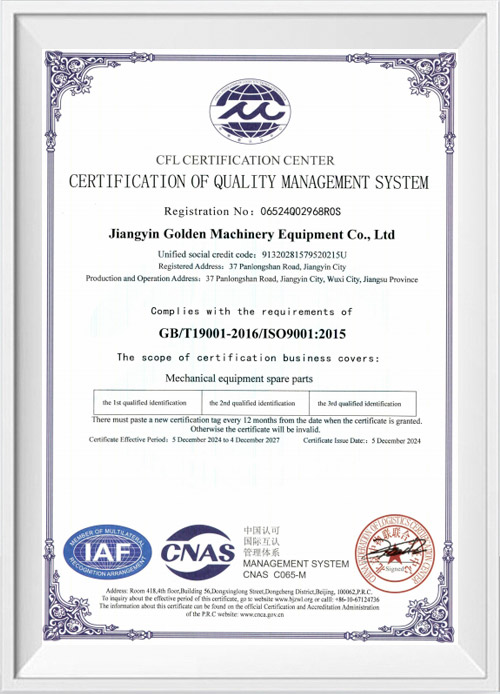 ISO9004
 -
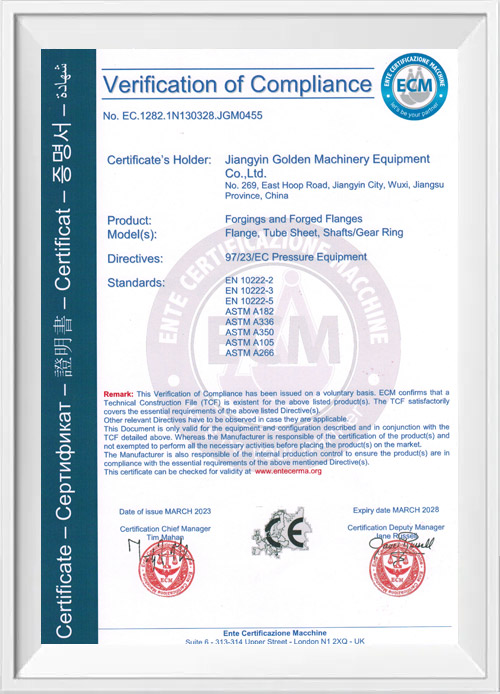 ECM
ECM -
ISO9001
News
-
Industry News 2026-07-17
Precision Metal Components Steel Shaft Selection Guide: Materials, Manufacturing, and Performance A steel shaft's performance depends on decisions made long be...
View More -
Industry News 2026-07-10
What Is Ring Forging Ring forging is a metal-shaping process that produces seamless, circular components by deforming a pierced metal blank under high pressure...
View More -
Industry News 2026-07-03
What Determines Load Capacity and Fatigue Life in a Steel Eccentric Shaft A steel eccentric shaft transmits rotating force off-center from its axis, and the f...
View More -
Industry News 2026-06-22
What "Forged in Steel" Actually Means for Part Performance A component is forged in steel when a solid billet is compressed under high pressure — by hammer, p...
View More -
Industry News 2026-06-16
What Is Forged Alloy Steel Forged alloy steel is steel that has been shaped through the application of compressive force — hammer blows or die pressing — at el...
View More
Forged Wheel Blank Industry Knowledge
How Does the Forging Process Enhance the Strength of Wheel Blanks?
Forged wheel blanks play a crucial role in the production of high-performance wheels, particularly in industries requiring precision, durability, and high load-bearing capabilities, such as automotive, aerospace, and heavy machinery manufacturing. These wheel blanks serve as the initial form in the creation of finished wheels, with specific attributes that ensure the final product can withstand the most demanding conditions.
A forged wheel blank is a partially shaped disc or wheel made from a specific metal, commonly aluminum, steel, or titanium, through the forging process. This initial form is later subjected to finishing processes like machining, heat treatment, and surface treatment, depending on the requirements of the final product. The forging process significantly improves the material's mechanical properties, making it stronger, more durable, and resistant to wear and tear. This is why forged wheel blanks are commonly used for performance-critical applications.
What Is the Forging Process for Wheel Blanks?
The forging process involves shaping metal using compressive forces. Unlike casting, where liquid metal is poured into molds, forging uses heat and mechanical force to mold solid metal into the desired shape. This process is commonly performed using hydraulic presses or hammering machines, which apply extreme pressure to shape the metal.
The steps involved in the forging of a wheel blank include:
Material Selection: High-quality raw materials, often aluminum or steel, are selected based on the intended use of the wheel. The material's strength, weight, and ability to withstand high temperatures are key factors in this decision.
Heating: The metal is heated to a specific temperature to make it malleable and easier to shape. The heating process also helps to eliminate any internal stresses in the metal.
Forging: The heated metal is placed between two dies, and pressure is applied to shape the blank into its rough form. During this stage, the material is worked and stretched, which aligns the grain structure and increases the strength of the metal.
Cooling: After forging, the wheel blank is allowed to cool at a controlled rate to retain its improved mechanical properties.
Rough Machining: The wheel blank undergoes rough machining, where excess material is removed to get closer to the final dimensions.
The forging process used for wheel blanks offers several advantages, including:
- Improved strength: The process helps to align the grain structure of the material, resulting in stronger and more durable components.
- Higher fatigue resistance: Forged wheel blanks exhibit superior resistance to fatigue, which is vital for components that will endure repeated stress.
- Enhanced material properties: The forging process increases the homogeneity of the material, leading to a more uniform and consistent performance across the wheel blank.
Materials Used for Forged Wheel Blanks
The material used for forging a wheel blank plays a significant role in determining the performance characteristics of the final product. Below is a comparison of the most common materials used for wheel blanks:
| Material | Advantages | Applications |
|---|---|---|
| Aluminum | Lightweight, corrosion-resistant, good heat conductivity, and good strength-to-weight ratio. | Automotive wheels, aerospace wheels, light machinery components. |
| Steel | Excellent strength and toughness, cost-effective, suitable for heavy-duty applications. | Heavy machinery, industrial equipment, large vehicle wheels. |
| Titanium | Extremely high strength-to-weight ratio, corrosion-resistant, excellent for high-performance applications. | Aerospace, military, high-performance sports vehicles. |
While aluminum is the most commonly used material for forged wheel blanks, steel is also widely used for heavy-duty applications, such as construction and industrial machinery wheels. Titanium is used in specialized applications, particularly in aerospace and military industries, due to its exceptional strength and lightness.
The Role of Heat Treatment in Forged Wheel Blanks
Heat treatment is a crucial part of the wheel blank production process. After forging, the wheel blank often undergoes a series of heat treatment steps to further enhance its mechanical properties. Heat treatment processes such as quenching and tempering help to achieve specific hardness, strength, and wear resistance levels.
- Quenching involves rapidly cooling the hot wheel blank by submerging it in a liquid, such as oil or water. This process hardens the metal but can also make it brittle.
- Tempering follows quenching and involves reheating the metal to a lower temperature and allowing it to cool gradually. This process reduces brittleness while maintaining the material's hardness and strength.
These processes are essential for ensuring that the final wheel product can withstand the harsh conditions it will face during use, such as high temperatures, pressure, and mechanical stress.
Applications of Forged Wheel Blanks
Forged wheel blanks are used across various industries, primarily in applications that demand high strength, performance, and durability. Here are some of the most common uses:
- Automotive: Forged wheel blanks are used to produce high-performance wheels for cars, trucks, and motorcycles. These wheels must be lightweight, strong, and resistant to wear and tear.
- Aerospace: In aerospace, wheels must withstand extreme temperatures and mechanical stresses. Forged wheel blanks are used to create wheels that ensure the safety and reliability of aircraft.
- Industrial Machinery: Large industrial equipment, such as cranes, excavators, and loaders, often relies on forged wheel blanks for their wheels due to their ability to handle heavy loads and resist damage.
- Sports and Racing: In motorsports, lightweight and strong forged wheels are crucial for improving vehicle performance. Forged wheel blanks are commonly used to produce racing wheels for cars and bikes.
Why Choose Golden Machinery?
Jiangyin Golden Machinery Equipment Co., Ltd. specializes in the production of small- and medium-sized forgings, flanges, and related components, offering high-quality products for a variety of industries. They are committed to providing reliable, durable components that meet the rigorous performance standards required in industries like power generation, oil and gas, and aerospace.
Their expertise in forging, combined with full-process capabilities—including smelting, heat treatment, machining, and finishing—ensures that each wheel blank meets the highest quality standards. Through stringent quality control, including non-destructive examination, chemical analysis, and mechanical testing, Jiangyin Golden Machinery guarantees that each product is of exceptional strength and durability.
FAQ
1. What are forged wheel blanks used for?
Forged wheel blanks are used as the starting point in the production of high-performance wheels for various industries, including automotive, aerospace, and industrial machinery.
2. Why is forging preferred over casting for wheel blanks?
Forging improves the strength, durability, and fatigue resistance of the material, making it ideal for components that will undergo heavy stress. It also ensures more uniform material properties than casting.
3. What materials are commonly used for forging wheel blanks?
Common materials for forged wheel blanks include aluminum, steel, and titanium, with aluminum being the most widely used due to its strength-to-weight ratio.
4. How does heat treatment affect forged wheel blanks?
Heat treatment processes like quenching and tempering enhance the hardness, strength, and wear resistance of the wheel blank, ensuring its durability in demanding applications.
5. What industries use forged wheel blanks?
Forged wheel blanks are used in various industries, including automotive, aerospace, industrial machinery, and motorsports, for producing durable, high-performance wheels.
If you are interested in our products, please feel free to contact us.

-
 Tel/Wechat: 86-13646165906
-
 E-mail: [email protected]
[email protected]
[email protected] -
 WhatsApp: 86-13646165906
-
 Add: No. 37, Panlongshan Road, Jiangyin City, Jiangsu Province, China
Copyright © Jiangyin Golden Machinery Equipment Co., Ltd.Rights Reserved.
Custom Forged Wheel Blank Manufacturers


