

 English
 русский

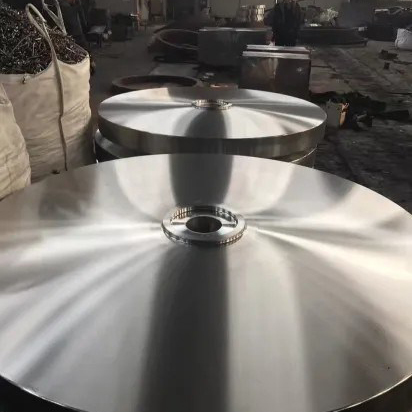
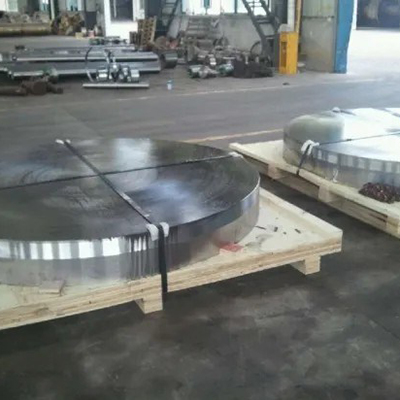
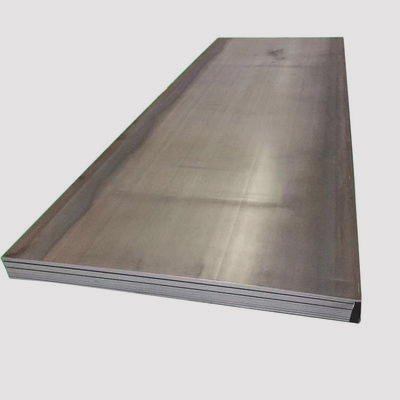
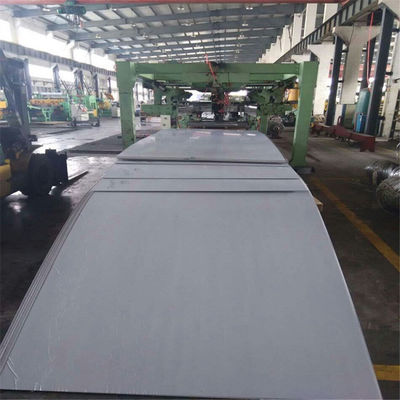
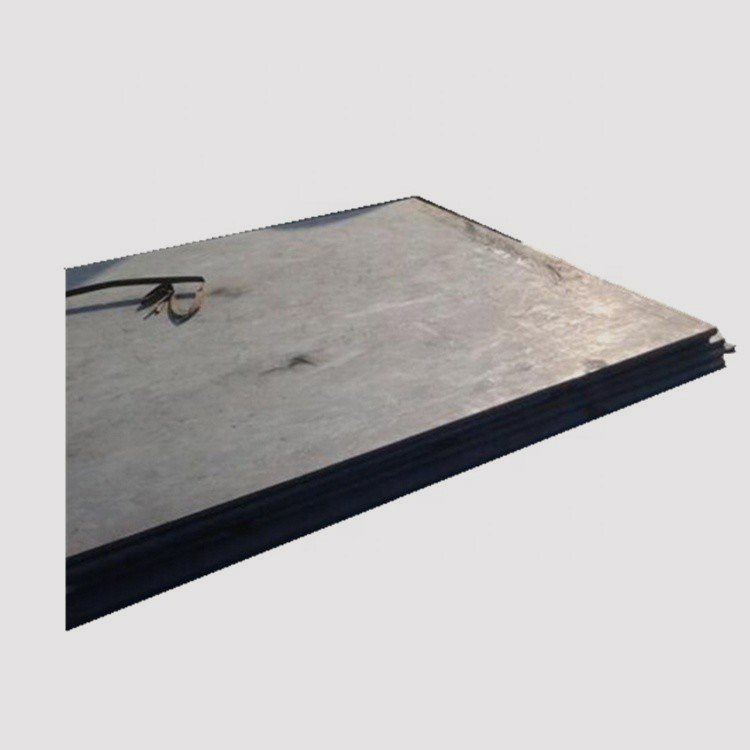
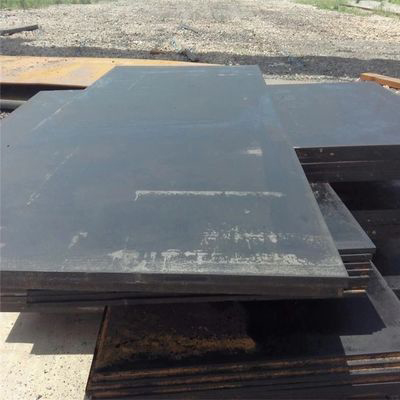
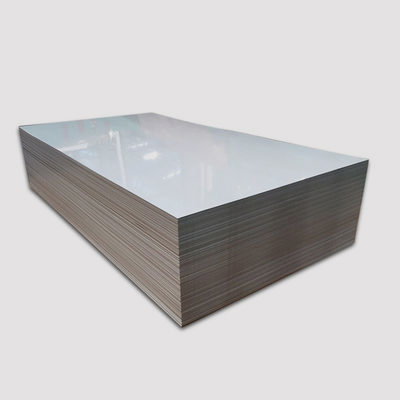
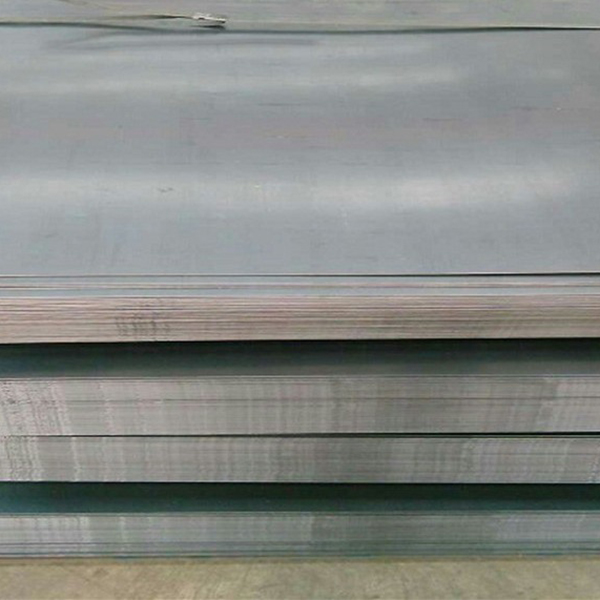
Forged Steel Plate Manufacturers
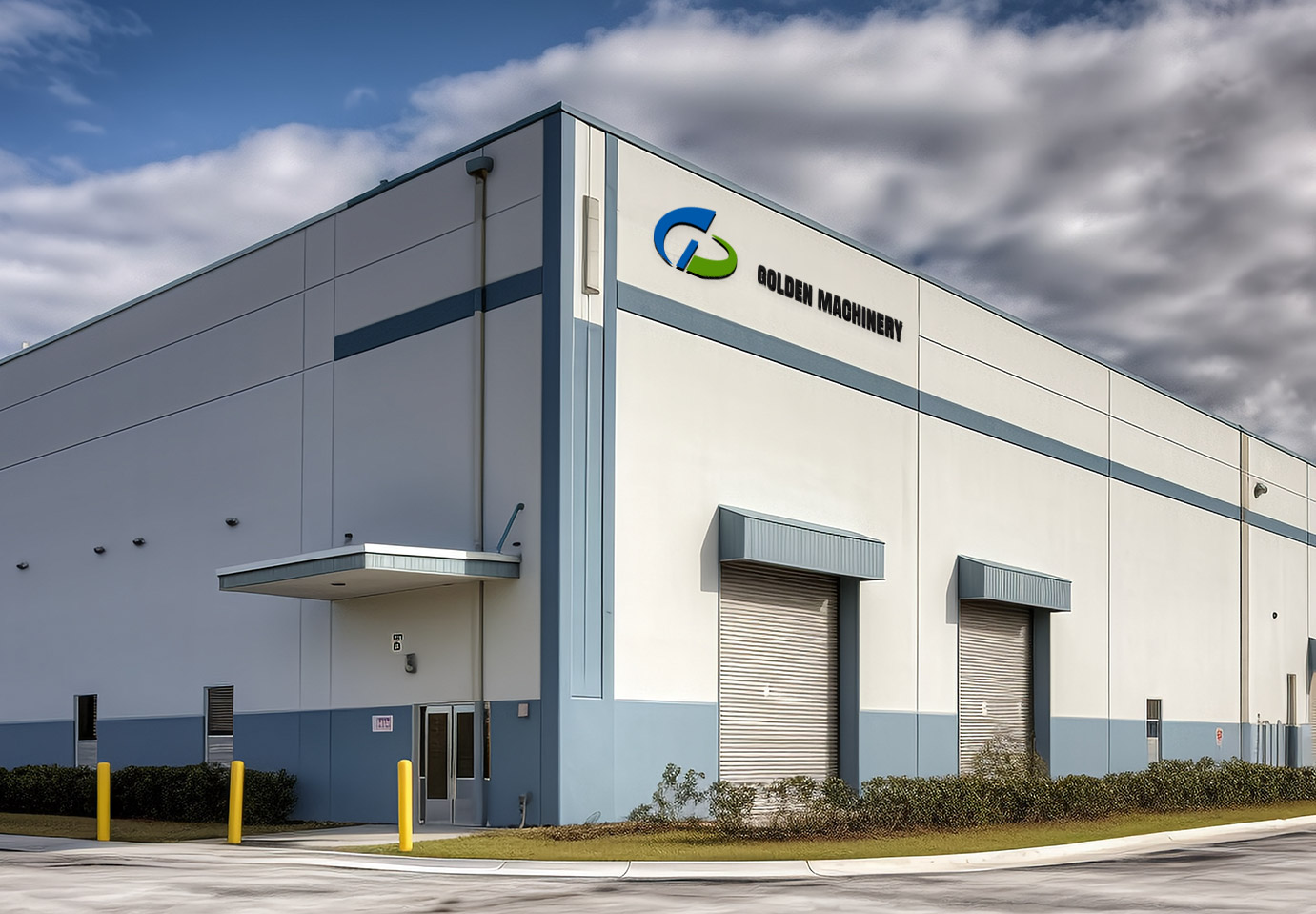
Jiangyin Golden Machinery Equipment Co., Ltd.
Jiangyin Golden Machinery Equipment Co., Ltd. covers an area of 10,000 square meters and has several standardized workshops. We specialize in the production of medium and small forgings and flanges, supported by advanced equipment and mature production technologies for sawing, forging, heat treatment, and precision rough machining.
We are China Forged Steel Plate Manufacturers and Custom Forged Steel Plate Factory. We are capable of meeting the requirements of customers across multiple industries, including power, petroleum, chemical engineering, metallurgy, machinery, light industry, and shipbuilding. By actively expanding into international markets, we have established cooperative relationships with several well-known enterprises, including Rich Reiter (Sweden), Alstom (France), Konecranes (Finland), Danieli (Italy), and General Electric (USA). Our products and services have earned wide recognition and praise from customers.
certification
-
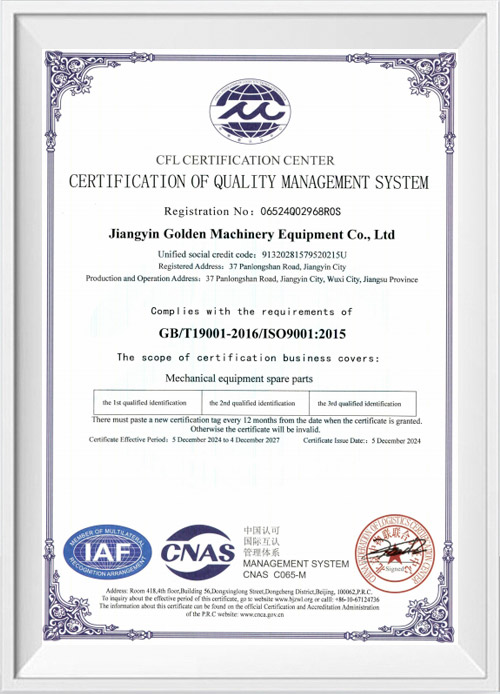 ISO9004
 -
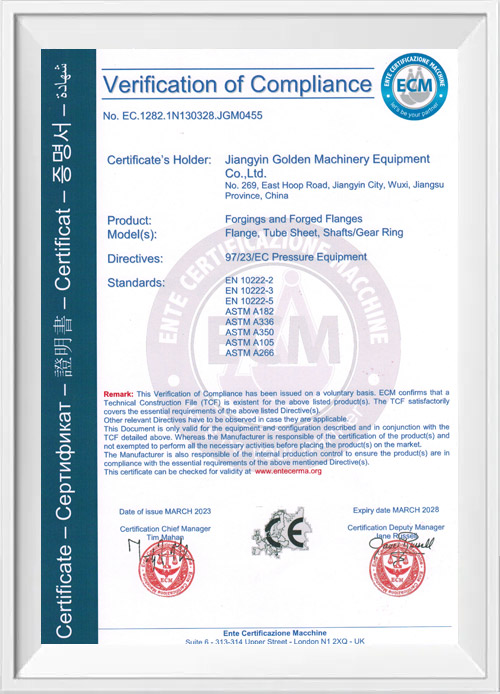 ECM
ECM -
ISO9001
News
-
Industry News 2026-07-17
Precision Metal Components Steel Shaft Selection Guide: Materials, Manufacturing, and Performance A steel shaft's performance depends on decisions made long be...
View More -
Industry News 2026-07-10
What Is Ring Forging Ring forging is a metal-shaping process that produces seamless, circular components by deforming a pierced metal blank under high pressure...
View More -
Industry News 2026-07-03
What Determines Load Capacity and Fatigue Life in a Steel Eccentric Shaft A steel eccentric shaft transmits rotating force off-center from its axis, and the f...
View More -
Industry News 2026-06-22
What "Forged in Steel" Actually Means for Part Performance A component is forged in steel when a solid billet is compressed under high pressure — by hammer, p...
View More -
Industry News 2026-06-16
What Is Forged Alloy Steel Forged alloy steel is steel that has been shaped through the application of compressive force — hammer blows or die pressing — at el...
View More
Forged Steel Plate Industry Knowledge
How does forged steel plate compare to cast or rolled steel plate in performance?
Introduction to Forged Steel Plate and Its Industrial Importance
Forged Steel Plate is a high-performance material widely used in demanding industrial applications, including power generation, oil and gas, chemicals, metallurgy, and marine engineering. Its production involves applying compressive forces to metal at elevated temperatures, resulting in a dense, uniform microstructure that provides superior mechanical properties compared to other forms of steel plate. The forging process enhances strength, toughness, and fatigue resistance, making it suitable for components that must withstand high stress and dynamic loads.
Unlike cast steel plate, which is formed by pouring molten metal into molds, or rolled steel plate, which is shaped by passing metal through rollers, forged steel plate achieves its properties through controlled deformation, which reduces porosity and improves the alignment of grain structures. This process allows the material to perform reliably in conditions that require both high load-bearing capacity and impact resistance.
Differences in Material Structure and Mechanical Properties
One of the most significant distinctions between forged steel plate and cast or rolled alternatives lies in microstructure. Forging aligns the metal grains in a direction that follows the shape of the component, creating a continuous grain flow. This alignment enhances toughness and resistance to crack propagation. In contrast, cast steel often contains internal voids and irregular grain structures that can weaken the material under heavy stress. Rolled steel, while generally stronger than cast steel, lacks the grain flow benefits of forging, which can result in reduced fatigue strength under cyclic loading.
| Property | Forged Steel Plate | Cast Steel Plate | Rolled Steel Plate |
|---|---|---|---|
| Grain structure | Continuous, directional | Random, non-uniform | Mostly uniform, but lacks directional flow |
| Toughness | High | Moderate | Moderate to high |
| Fatigue resistance | Excellent | Poor to moderate | Good |
| Defect occurrence | Minimal | Higher likelihood of porosity | Moderate |
This comparison illustrates why forged steel plate is preferred in applications where safety, performance, and long-term reliability are critical.
Processing Techniques and Their Impact on Performance
The manufacturing process for forged steel plate plays a crucial role in achieving consistent quality. Modern production involves multiple stages, starting from precise metal sawing, controlled heating, forging, rough machining, heat treatment, and finishing. Each step contributes to the overall mechanical performance of the final product.
For instance, Jiangyin Golden Machinery Equipment Co., Ltd. applies temperature-controlled heating systems to ensure uniform heat distribution before forging. This preparation enhances material plasticity and reduces deformation resistance, laying the foundation for high-quality plates. Following forging, CNC rough machining provides a consistent base for heat treatment, while precise quenching and tempering processes improve strength, hardness, and toughness. Finish machining ensures dimensional accuracy and surface smoothness, guaranteeing that the forged steel plate meets demanding industrial specifications.
Advantages over Cast Steel Plate
The advantages of forged steel plate compared to cast steel plate are largely due to its refined microstructure and controlled production. Key benefits include:
- Higher strength and toughness: Forged steel can withstand extreme mechanical loads without failure.
- Improved fatigue resistance: The directional grain flow reduces susceptibility to crack initiation and propagation.
- Minimal defects: Forging reduces porosity and inclusions that are common in cast components.
- Consistent performance under dynamic loading: Components made from **forged steel plate** are more reliable in high-stress or cyclical applications.
These advantages make forged steel plate ideal for high-pressure valves, pressure vessels, structural frames, and critical machinery components.
Advantages over Rolled Steel Plate
While rolled steel plate offers some benefits, such as lower production cost and availability in large dimensions, it does not provide the same level of mechanical optimization as forged steel plate. Key distinctions include:
- Grain alignment: Forged plates have directional grain flow that follows the shape of the component, improving toughness and fatigue strength.
- Stress distribution: Forged components resist stress concentrations better than rolled plates, reducing the risk of failure under heavy loads.
- Complex geometries: Forging allows for intricate shapes without sacrificing strength, whereas rolled plates are limited in forming complex profiles.
In applications where reliability and structural integrity are essential, forged steel plate is preferred despite higher manufacturing costs.
Applications and Industrial Relevance
Forged steel plate is widely used across multiple industries due to its superior mechanical properties. Common applications include:
- Power generation components, such as turbine shafts and pressure vessel parts
- Oil and gas equipment, including high-pressure valves and flanges
- Chemical industry machinery requiring corrosion resistance and strength
- Marine engineering, such as ship propeller shafts and structural plates
- Heavy machinery components in metallurgy and construction
Companies like Jiangyin Golden Machinery Equipment Co., Ltd. focus on producing small- and medium-sized forged steel plates and related components. Their comprehensive production capabilities, including forging, heat treatment, and precision machining, ensure that each component meets industrial requirements for safety, performance, and durability. The company's in-house testing procedures, including chemical analysis, mechanical testing, and metallographic inspection, further guarantee quality and reliability.
Quality Assurance and Manufacturing Excellence
Maintaining high standards in forged steel plate production requires meticulous attention to every stage of manufacturing. Key quality control measures include:
- Non-destructive testing: Ensures components are free from internal defects such as cracks or voids.
- Chemical composition analysis: Confirms that steel alloys meet required specifications.
- Mechanical testing: Verifies strength, toughness, and fatigue resistance.
- Metallographic inspection: Evaluates grain structure and material homogeneity.
Through these measures, manufacturers like Jiangyin Golden Machinery Equipment Co., Ltd. provide clients with forged steel plates that can be relied upon for critical applications. Their investment in research and development, combined with advanced forging technology and engineering expertise, ensures that components are manufactured with precision and meet stringent industry standards.
Conclusion
Comparing forged steel plate to cast or rolled steel plate highlights the advantages of forging in terms of strength, toughness, and reliability. The controlled grain flow, minimal defects, and superior fatigue resistance make forged steel plate the material of choice for high-stress applications. While cast and rolled steel plates may be more economical or easier to produce in certain contexts, their performance under dynamic loads or extreme conditions is generally inferior.
Manufacturers like Jiangyin Golden Machinery Equipment Co., Ltd. demonstrate the importance of comprehensive production capabilities, including forging, heat treatment, machining, and rigorous quality control, in delivering high-performance steel plates. With strong technical expertise and a commitment to engineering excellence, companies can ensure that forged steel plate components meet the demanding requirements of industries worldwide.
FAQ
Q1: What industries commonly use forged steel plate?
A1: Forged steel plate is used in power generation, oil and gas, chemical processing, marine engineering, metallurgy, and heavy machinery due to its superior strength and toughness.
Q2: How does forged steel plate differ from cast steel plate?
A2: Forged steel plate has aligned grain flow, higher toughness, and fewer internal defects, whereas cast steel plate may contain porosity and irregular grain structures.
Q3: What testing methods ensure the quality of forged steel plate?
A3: Non-destructive examination, chemical analysis, mechanical testing, and metallographic inspection are commonly used to ensure consistent quality.
Q4: Can forged steel plate withstand cyclic and high-pressure applications?
A4: Yes, the directional grain structure and dense microstructure provide excellent fatigue resistance and strength under high-stress conditions.
Q5: How does Jiangyin Golden Machinery Equipment Co., Ltd. ensure consistent performance?
A5: Through standardized workshops, advanced forging and machining capabilities, heat treatment, and comprehensive in-house testing, the company ensures that all forged steel plates meet industrial performance standards.
If you are interested in our products, please feel free to contact us.

-
 Tel/Wechat: 86-13646165906
-
 E-mail: [email protected]
[email protected]
[email protected] -
 WhatsApp: 86-13646165906
-
 Add: No. 37, Panlongshan Road, Jiangyin City, Jiangsu Province, China
Copyright © Jiangyin Golden Machinery Equipment Co., Ltd.Rights Reserved.
Custom Forged Steel Plate Manufacturers


