

 English
 русский

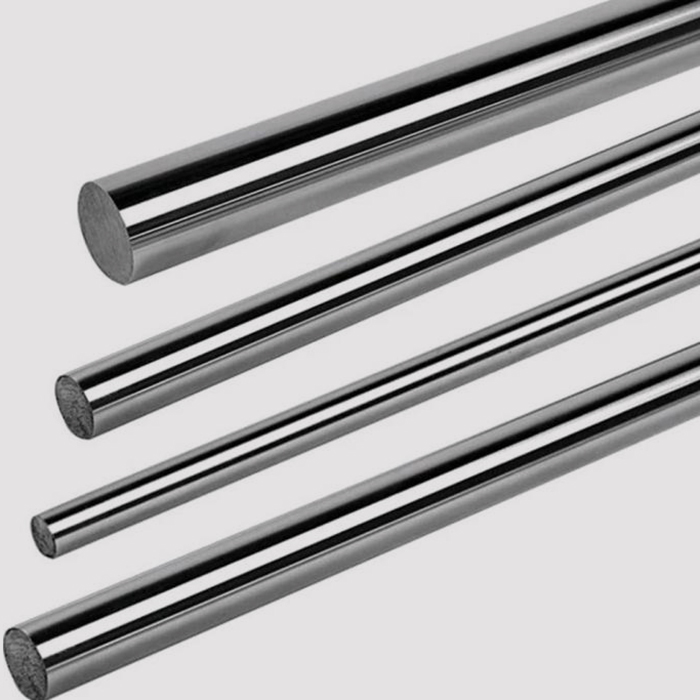
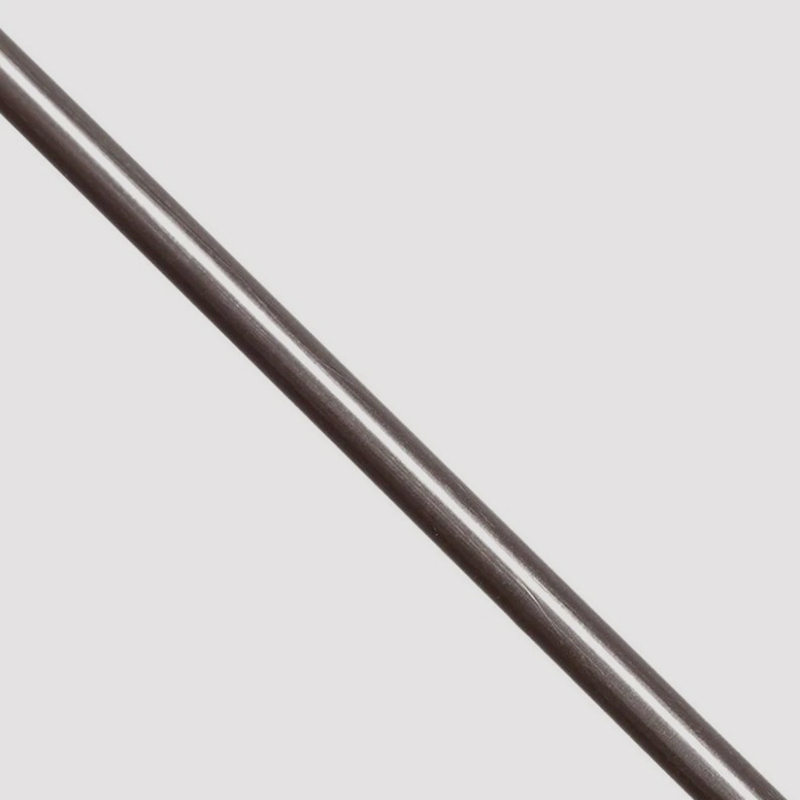
Hydraulic Cylinder Piston Rod Manufacturers
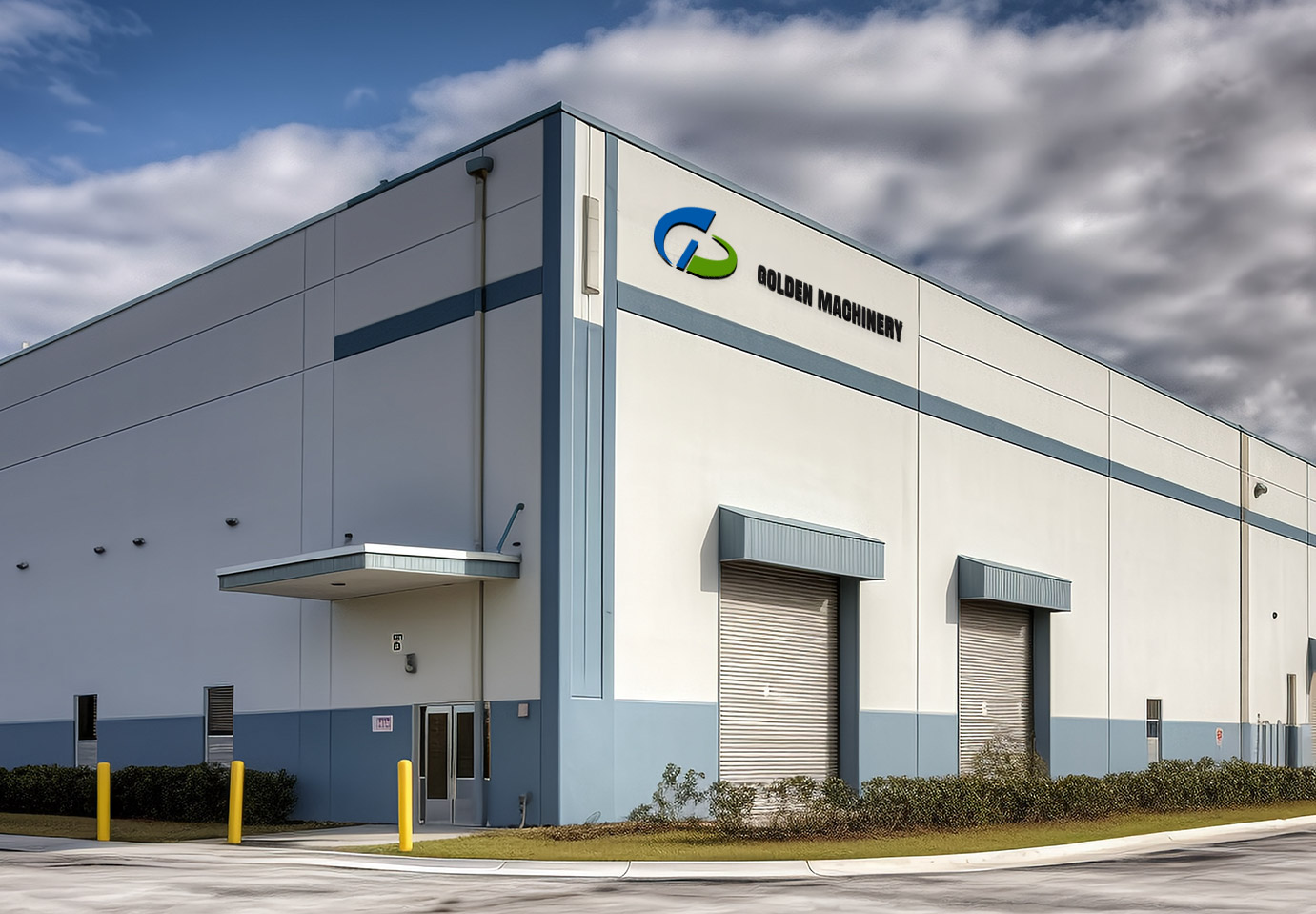
Jiangyin Golden Machinery Equipment Co., Ltd.
Jiangyin Golden Machinery Equipment Co., Ltd. covers an area of 10,000 square meters and has several standardized workshops. We specialize in the production of medium and small forgings and flanges, supported by advanced equipment and mature production technologies for sawing, forging, heat treatment, and precision rough machining.
We are China Hydraulic Cylinder Piston Rod Manufacturers and Custom Hydraulic Cylinder Piston Rod Factory. We are capable of meeting the requirements of customers across multiple industries, including power, petroleum, chemical engineering, metallurgy, machinery, light industry, and shipbuilding. By actively expanding into international markets, we have established cooperative relationships with several well-known enterprises, including Rich Reiter (Sweden), Alstom (France), Konecranes (Finland), Danieli (Italy), and General Electric (USA). Our products and services have earned wide recognition and praise from customers.
certification
-
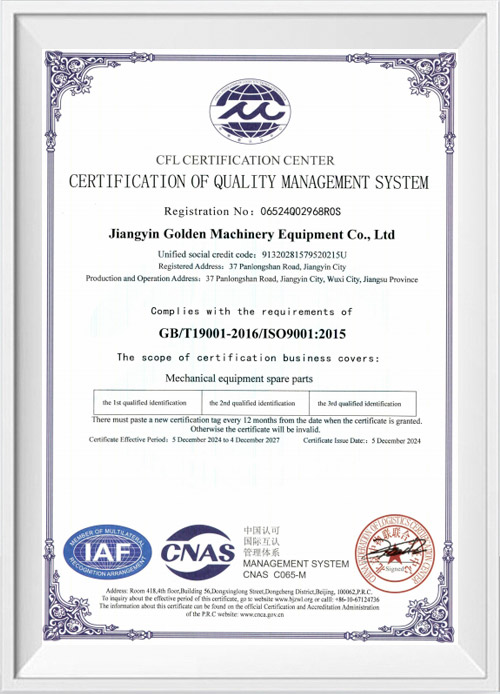 ISO9004
 -
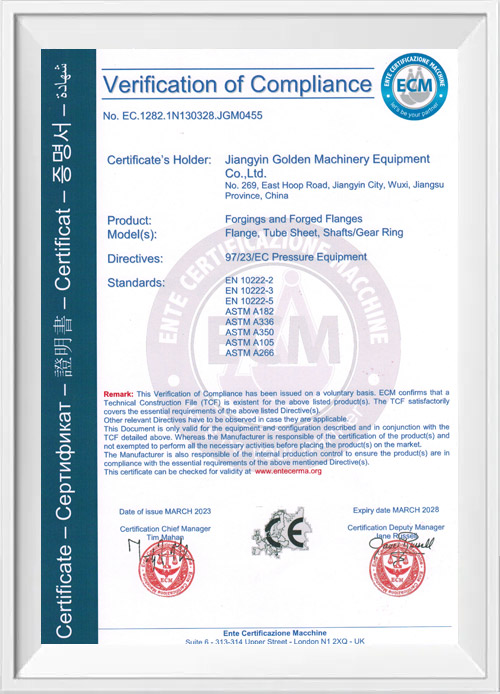 ECM
ECM -
ISO9001
News
-
Industry News 2026-07-17
Precision Metal Components Steel Shaft Selection Guide: Materials, Manufacturing, and Performance A steel shaft's performance depends on decisions made long be...
View More -
Industry News 2026-07-10
What Is Ring Forging Ring forging is a metal-shaping process that produces seamless, circular components by deforming a pierced metal blank under high pressure...
View More -
Industry News 2026-07-03
What Determines Load Capacity and Fatigue Life in a Steel Eccentric Shaft A steel eccentric shaft transmits rotating force off-center from its axis, and the f...
View More -
Industry News 2026-06-22
What "Forged in Steel" Actually Means for Part Performance A component is forged in steel when a solid billet is compressed under high pressure — by hammer, p...
View More -
Industry News 2026-06-16
What Is Forged Alloy Steel Forged alloy steel is steel that has been shaped through the application of compressive force — hammer blows or die pressing — at el...
View More
Hydraulic Cylinder Piston Rod Industry Knowledge
How can I identify wear or damage on a Hydraulic Cylinder Piston Rod?
Introduction to hydraulic cylinder piston rod wear
The hydraulic cylinder piston rod is a critical component in hydraulic systems, transferring force generated by hydraulic pressure to mechanical motion. Its performance directly affects the efficiency and reliability of the entire hydraulic system. Over time, however, a piston rod may experience wear, corrosion, or surface damage, which can compromise its operational stability and lead to system failures.
Hydraulic cylinder piston rod deterioration can manifest in various ways, from minor surface scratches to severe bending or pitting caused by contamination or improper alignment. Early detection is crucial to prevent cascading failures in hydraulic systems, such as fluid leakage, reduced cylinder efficiency, or complete mechanical breakdown. Proper inspection, maintenance, and use of high-quality rods significantly reduce downtime and repair costs.
Common causes of wear and damage
Identifying wear or damage begins with understanding the causes. Several factors contribute to the degradation of a hydraulic cylinder piston rod:
-
Mechanical stress and load variations
Hydraulic cylinders often operate under variable loads. Excessive or uneven loading can cause surface scratches, bending, or even micro-cracks in the rod material. Long-term exposure to mechanical stress may reduce the rod's tensile strength and overall durability. -
Corrosion
The rod is frequently exposed to moisture, chemical agents, or hydraulic fluid contaminants. Corrosion often starts at the rod surface and may lead to pitting or deep material loss if not addressed promptly. -
Misalignment
Improper installation or misalignment of the cylinder can generate uneven forces along the rod, leading to surface abrasion or bending. Misalignment is a common source of accelerated wear in industrial applications. -
Surface contamination
Dust, dirt, or particulate matter entering the hydraulic system can scratch the rod surface, causing grooves that compromise sealing and lubrication efficiency. -
Inadequate lubrication or maintenance
Lack of proper lubrication increases friction, resulting in accelerated wear of the hydraulic cylinder piston rod surface. Routine maintenance practices, including cleaning and inspection, are essential to preserve rod integrity.
Visual inspection methods
Visual inspection is often the first step in identifying wear or damage. By carefully examining the hydraulic cylinder piston rod, technicians can detect early signs of deterioration. Key indicators include:
-
Surface scratches or grooves
Scratches may result from contamination, misalignment, or improper handling. Even shallow scratches can compromise the sealing system, leading to hydraulic leaks. -
Corrosion or pitting
Pitting typically appears as small depressions on the rod surface, indicating chemical attack or prolonged exposure to moisture. Pitting can weaken the rod and may propagate under mechanical stress. -
Bending or deformation
Rods under uneven load may bend or twist. Visual alignment checks against reference points or using specialized gauges help detect deformation before catastrophic failure occurs. -
Discoloration
Changes in surface color may indicate excessive heat, oxidation, or contamination, all of which may compromise rod performance.
Regular visual inspection ensures that maintenance personnel can address issues before severe damage occurs. In addition, high-quality rods produced with controlled heat treatment and precise machining processes exhibit fewer visible imperfections, extending operational lifespan.
Measurement and testing techniques
Beyond visual inspection, precise measurement and testing are essential for identifying subtle wear or damage. Common methods include:
Dimensional inspection
Measuring the rod diameter along multiple points helps identify uneven wear or deformation. Precision instruments such as micrometers or calipers are used to detect deviations from design tolerances. Hydraulic cylinder piston rod wear may be uniform or localized, and accurate measurement ensures proper replacement or reconditioning decisions.
Surface roughness evaluation
Surface roughness affects sealing efficiency and rod longevity. Specialized equipment measures the rod's surface profile, identifying micro-grooves, scratches, or pitting not easily visible to the naked eye. Maintaining a smooth surface is essential for optimal performance in high-pressure hydraulic applications.
Non-destructive testing (NDT)
Techniques such as dye penetrant inspection, magnetic particle inspection, or ultrasonic testing help detect subsurface cracks or flaws. These methods provide reliable detection without compromising the rod material, ensuring safety and performance compliance.
| Inspection Method | Purpose | Advantages |
|---|---|---|
| Visual Inspection | Detect surface scratches, corrosion, bending | Simple, quick, effective for initial assessment |
| Dimensional Measurement | Identify wear or deformation along rod length | Precise, quantitative, helps in maintenance planning |
| Surface Roughness Evaluation | Measure surface smoothness and micro-grooves | Prevents sealing issues, ensures lubrication efficiency |
| Non-Destructive Testing | Detect subsurface cracks or internal defects | Safe, accurate, prevents unexpected failures |
Material quality and manufacturing considerations
The longevity and reliability of a hydraulic cylinder piston rod largely depend on material selection and manufacturing processes. High-quality rods require proper steel grades, precise forging, heat treatment, and finishing procedures. Jiangyin Golden Machinery Equipment Co., Ltd. emphasizes comprehensive in-house production processes to ensure rod quality. Their 10,000-square-meter facility supports smelting, forging, heat treatment, rough machining, and finishing, guaranteeing that every component meets demanding industrial standards.
High-quality rods benefit from controlled forging and heat treatment processes that improve density, strength, and toughness. Rough machining and finish machining under precise tolerances ensure dimensional accuracy and surface smoothness. By investing in advanced CNC sawing and machining centers, manufacturers like Golden Machinery maintain consistent production quality while reducing defects that could lead to premature wear or damage.
Maintenance practices to prevent damage
Preventive maintenance is crucial to reduce wear and extend the service life of a hydraulic cylinder piston rod. Recommended practices include:
-
Routine cleaning and inspection
Removing dirt, dust, and contaminants from the rod surface prevents abrasive wear. Regular visual checks detect early signs of corrosion or surface damage. -
Proper lubrication
Maintaining appropriate lubrication reduces friction and wear. High-quality hydraulic fluids and proper seal selection are essential to ensure smooth rod operation. -
Alignment verification
Ensuring that hydraulic cylinders are properly aligned with connected equipment prevents uneven forces, bending, and surface damage. -
Environmental control
Protecting rods from corrosive environments or excessive moisture reduces pitting and oxidation risks. Using protective coatings or storage protocols further preserves surface integrity. -
Scheduled testing
Periodic dimensional, surface roughness, and non-destructive tests detect early deterioration, allowing for timely maintenance interventions.
Replacement and refurbishment
Despite careful maintenance, rods eventually require replacement due to material fatigue, surface damage, or corrosion. Hydraulic cylinder piston rod replacement should consider:
-
Material compatibility
Selecting rods with proper steel grades and surface treatments ensures reliable performance in the intended application. -
Dimensional compliance
Replacement rods must match original design specifications, including diameter, length, and surface finish tolerances. -
Professional refurbishment
Damaged rods can sometimes be reconditioned through grinding, polishing, and re-coating. Professional refurbishment restores surface smoothness and removes minor scratches or pitting. -
Supplier reliability
Sourcing from reputable manufacturers with strong engineering and production capabilities, such as Jiangyin Golden Machinery Equipment Co., Ltd., guarantees high-quality rods with consistent performance. The company provides full support, from product design and tooling to production and technical assistance, ensuring components meet customer requirements.
Case studies in industrial applications
Industries such as power generation, oil and gas, and machinery rely heavily on robust hydraulic systems. Proper identification of hydraulic cylinder piston rod wear prevents system failures and reduces operational downtime. For example, power plant maintenance teams routinely inspect piston rods for micro-cracks and corrosion, replacing rods before failure occurs. Similarly, in heavy machinery, visual and non-destructive inspections detect surface scratches or bending caused by misalignment or contamination.
In marine engineering, piston rods face corrosive saltwater environments, emphasizing the importance of surface treatment, routine inspection, and protective coatings. Through proper maintenance and supplier quality assurance, companies maintain long-term system reliability and safety.
Summary and best practices
In summary, identifying wear or damage on a hydraulic cylinder piston rod involves a combination of visual inspection, precise measurement, surface evaluation, and non-destructive testing. Common issues such as scratches, corrosion, pitting, bending, and surface roughness can compromise system performance. High-quality material selection, precise manufacturing processes, and preventive maintenance practices significantly reduce the risk of rod failure.
Jiangyin Golden Machinery Equipment Co., Ltd. demonstrates industry-leading practices by integrating advanced production techniques, strict quality control, and comprehensive testing. By adhering to best practices in installation, maintenance, and monitoring, engineers ensure that hydraulic systems perform reliably and safely over time.
Key takeaways include:
- Regular inspection prevents early-stage wear from becoming system-critical damage.
- Proper lubrication and alignment are essential to maintain rod integrity.
- Material quality and precise manufacturing reduce susceptibility to wear and corrosion.
- Reliable suppliers and structured maintenance programs support long-term hydraulic system performance.
Frequently Asked Questions (FAQ)
Q1: How often should a hydraulic cylinder piston rod be inspected?
Inspection frequency depends on operating conditions. High-pressure, high-load, or corrosive environments require more frequent visual and dimensional inspections.
Q2: Can minor scratches on a hydraulic cylinder piston rod be repaired?
Yes, minor surface scratches can be polished and re-coated to restore surface smoothness and prevent seal damage.
Q3: What are the signs of misalignment in a piston rod?
Bending, uneven wear, or unusual vibrations during operation are indicators of misalignment.
Q4: How does corrosion affect hydraulic cylinder piston rod performance?
Corrosion weakens the rod material, creates surface roughness, and may lead to seal failure, hydraulic leaks, or rod fracture.
Q5: Why is sourcing rods from a reliable manufacturer important?
Reliable manufacturers ensure proper material selection, precision forging, machining, and testing, which directly impact rod durability and hydraulic system reliability.
Q6: What maintenance practices help extend piston rod lifespan?
Routine cleaning, proper lubrication, alignment verification, environmental protection, and periodic testing are essential for prolonging rod service life.
If you are interested in our products, please feel free to contact us.

-
 Tel/Wechat: 86-13646165906
-
 E-mail: [email protected]
[email protected]
[email protected] -
 WhatsApp: 86-13646165906
-
 Add: No. 37, Panlongshan Road, Jiangyin City, Jiangsu Province, China
Copyright © Jiangyin Golden Machinery Equipment Co., Ltd.Rights Reserved.
Custom Hydraulic Cylinder Piston Rod Manufacturers


