

 English
 русский

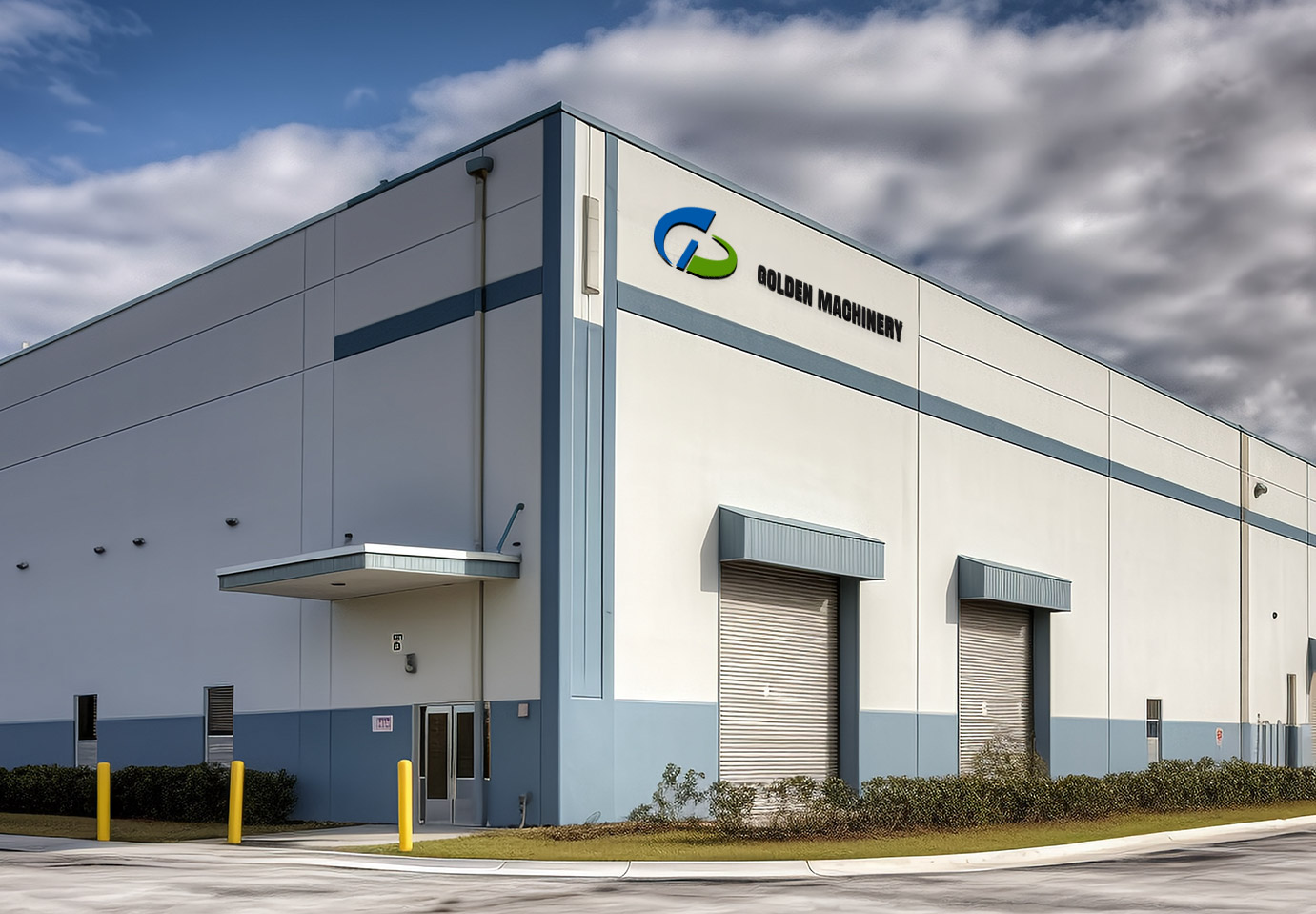
Jiangyin Golden Machinery Equipment Co., Ltd.
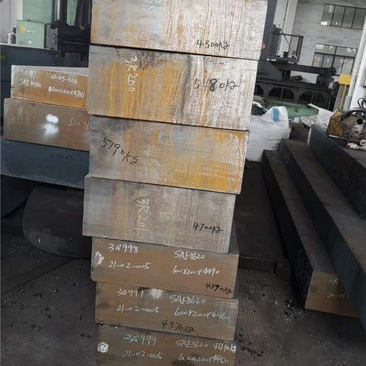
Jiangyin Golden Machinery Equipment Co., Ltd. covers an area of 10,000 square meters and has several standardized workshops. We specialize in the production of medium and small forgings and flanges, supported by advanced equipment and mature production technologies for sawing, forging, heat treatment, and precision rough machining.
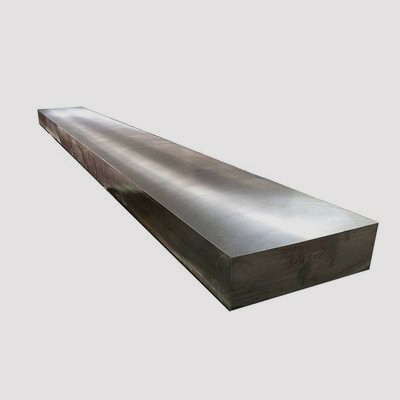
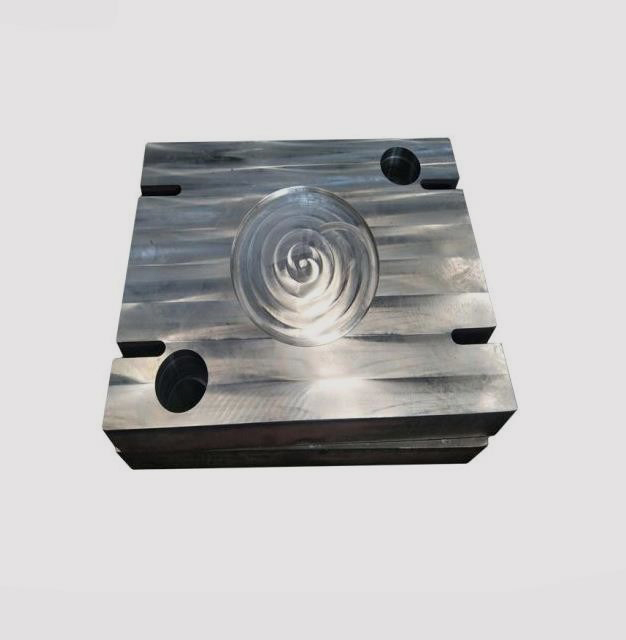
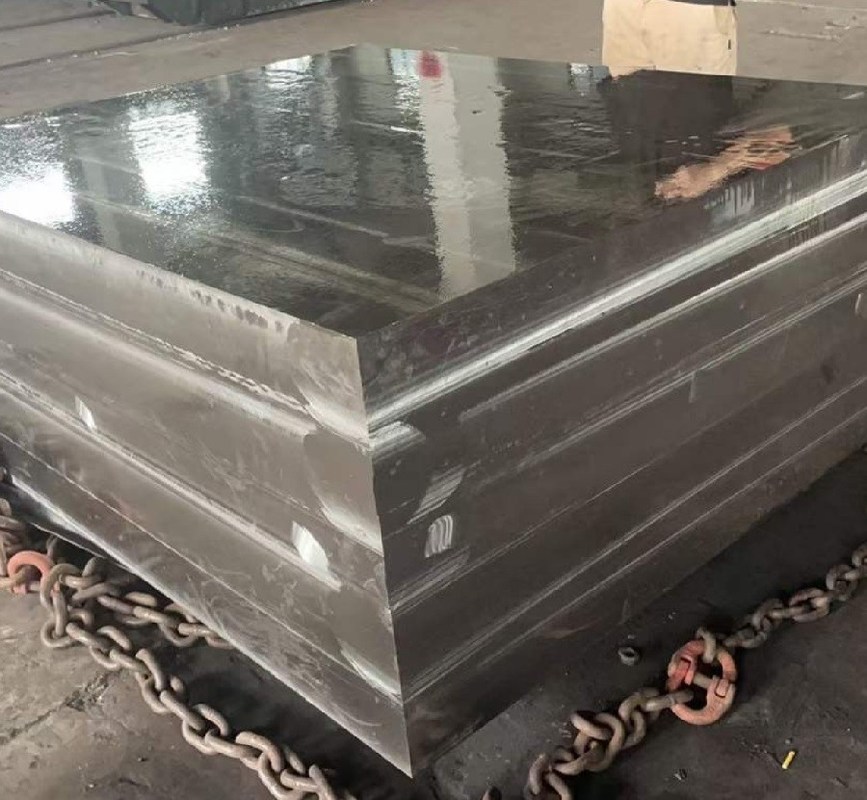
We are China Forged Steel Block Manufacturers and Custom Forged Steel Block Factory. We are capable of meeting the requirements of customers across multiple industries, including power, petroleum, chemical engineering, metallurgy, machinery, light industry, and shipbuilding. By actively expanding into international markets, we have established cooperative relationships with several well-known enterprises, including Rich Reiter (Sweden), Alstom (France), Konecranes (Finland), Danieli (Italy), and General Electric (USA). Our products and services have earned wide recognition and praise from customers.
certification
-
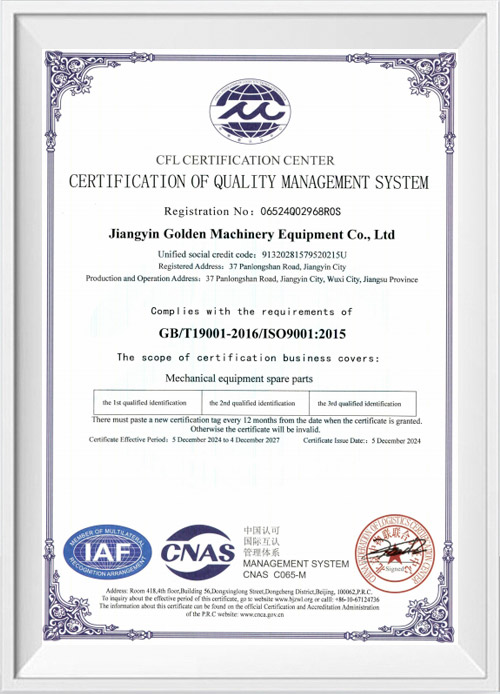 ISO9004
 -
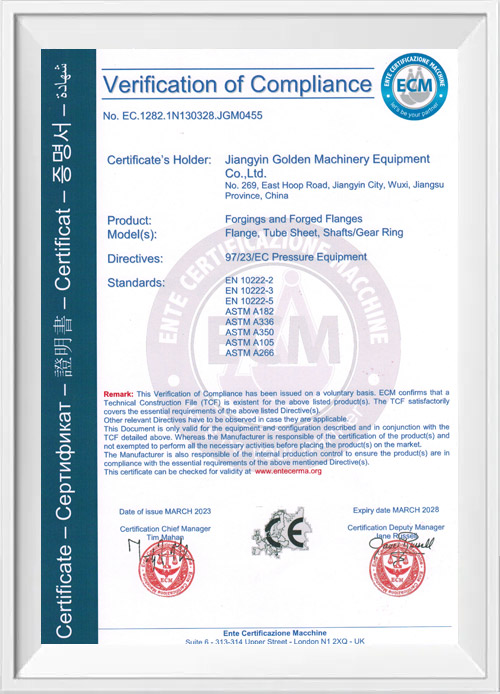 ECM
ECM -
ISO9001
News
-
Industry News 2026-07-17
Precision Metal Components Steel Shaft Selection Guide: Materials, Manufacturing, and Performance A steel shaft's performance depends on decisions made long be...
View More -
Industry News 2026-07-10
What Is Ring Forging Ring forging is a metal-shaping process that produces seamless, circular components by deforming a pierced metal blank under high pressure...
View More -
Industry News 2026-07-03
What Determines Load Capacity and Fatigue Life in a Steel Eccentric Shaft A steel eccentric shaft transmits rotating force off-center from its axis, and the f...
View More -
Industry News 2026-06-22
What "Forged in Steel" Actually Means for Part Performance A component is forged in steel when a solid billet is compressed under high pressure — by hammer, p...
View More -
Industry News 2026-06-16
What Is Forged Alloy Steel Forged alloy steel is steel that has been shaped through the application of compressive force — hammer blows or die pressing — at el...
View More
Forged Steel Block Industry Knowledge
Why AISI 4340 Forgings Outperform 1045 and 4140 in Impact Resistance for Bearing Rings
In the demanding field of bearing ring manufacturing, the ability to withstand sudden shock loads and high-stress cycles is paramount. Jiangyin Golden Machinery Equipment Co., Ltd., located in the strategic industrial hub of the Yangtze River Delta, specializes in the precision forging of high-alloy steels. While AISI 1045 and 4140 are staples in the industry, AISI 4340 stands as the superior choice for heavy-duty applications due to its unique chemical composition and metallurgical response.
The Nickel Advantage: Enhancing Toughness and Hardenability
The primary reason for the superior impact resistance of AISI 4340 lies in its alloy chemistry. At our 10,000-square-meter facility, Jiangyin Golden Machinery Equipment Co., Ltd. processes these materials to maximize their inherent properties:
- Nickel Content: Unlike 1045 (carbon steel) and 4140 (Cr-Mo steel), AISI 4340 contains approximately 1.8% nickel. Nickel significantly increases the material's toughness, especially at low temperatures, by lowering the ductile-to-brittle transition temperature.
- Deep Hardenability: The triple-alloying of chromiu
Complete Industry Knowledge on Forged Steel Blocks: Manufacturing, Material Selection, Quality Assurance, and Applications
JIANGYIN GOLDEN MACHINERY EQUIPMENT CO., LTD., a leading China Forged Steel Block Manufacturer and Custom Forged Steel Block Factory, specializes in producing high-quality medium and small forgings and flanges. With a 10,000 square meter facility and standardized workshops, we integrate advanced sawing, forging, heat treatment, and precision rough machining technologies. Our products serve diverse industries including power, petroleum, chemical, metallurgy, machinery, light industry, and shipbuilding. We have established long-term cooperation with international enterprises like Rich Reiter. This knowledge article provides an in-depth look at forged steel blocks, covering manufacturing processes, material selection, quality control, applications, and the benefits of customization.
1. In-Depth Look at the Forging Process for Steel Blocks: From Sawing to Precision Machining
The production of a forged steel block involves several critical stages, each equipped with specific machinery and parameters to ensure optimal material properties and dimensional accuracy.
Process Stage Equipment Key Parameters / Details Sawing Band saw machines Max. cutting diameter: up to 800 mm; Dimensional tolerance: ±2 mm; Perpendicularity control within 1 mm. Heating Car-bottom furnaces Forging temperature range: 850°C - 1220°C (depending on material grade); Soaking time ensures uniform temperature throughout the billet. Forging Open-die hydraulic presses (1000T - 3000T) / forging hammers Forging ratio typically ≥3:1 to refine grain structure and eliminate internal porosity. Multi-directional forging enhances isotropy. Heat Treatment Programmable heat treatment furnaces Processes: annealing, normalizing, quenching and tempering (Q&T); Temperature uniformity ±10°C; Cooling options: air, oil, or polymer. Rough Machining Heavy-duty CNC lathes, horizontal boring mills Max. machining dimensions: diameter up to 1200 mm, length up to 6000 mm; Surface roughness Ra 3.2–12.5 μm; machining allowance left for final finishing. 2. Material Selection Guide for Forged Steel Blocks
Choosing the correct material is fundamental to the performance and longevity of the final component. The selection depends on mechanical requirements, environmental conditions, and industry standards.
Material Category Typical Grades Key Properties Typical Applications Carbon Steels AISI 1045, AISI 1055, C22.8 Good strength and wear resistance; tensile strength ~570-750 MPa; excellent machinability. Shafts, gears, spindles, general structural components. Alloy Steels AISI 4140, 4340, 8620, 18CrNiMo7-6 High hardenability, excellent strength-to-weight ratio; tensile strength up to 1000-1300 MPa after Q&T; good fatigue resistance. High-stress parts: connecting rods, axles, gears in power generation, petroleum, and heavy machinery. Stainless Steels 304/L, 316/L, 410, 17-4PH Corrosion resistance, oxidation resistance; 316L offers pitting resistance equivalent (PREN) > 25; precipitation hardening grades provide high strength. Chemical processing, pharmaceutical equipment, marine components, food industry. Tool Steels H13, D2, O1, 5CrNiMo High hardness, wear resistance, hot hardness (H13 retains strength up to 500°C); good dimensional stability during heat treatment. Hot and cold work dies, molds, punches, shear blades. 3. Quality Control: The Importance of Non-Destructive Testing (NDT) for Forged Steel Blocks
To guarantee internal soundness and reliability, especially for critical applications, rigorous non-destructive testing is performed. Ultrasonic testing is the primary method for volumetric inspection.
NDT Method Inspection Standards Typical Acceptance Criteria / Levels Purpose & Application Ultrasonic Testing (UT) ASTM A388, SEP 1921, EN 10228-3, NFA 04-305 Quality levels: Class A, B, C per ASTM or Quality Level 1-4 per SEP 1921; 100% scanning for internal discontinuities (voids, inclusions, cracks). Mandatory for high-integrity components such as pressure parts, turbine shafts, and molds. Magnetic Particle Inspection (MPI) ASTM E709, ASTM E1444, ISO 9934 Detection of surface and near-surface linear discontinuities; relevant for ferromagnetic materials. Used after final machining to ensure surface integrity of critical areas. Liquid Penetrant Testing (PT) ASTM E165, ISO 3452 Reveals surface-breaking defects (cracks, porosity) in non-porous materials; suitable for stainless steels and non-ferrous alloys. Commonly applied on sealing surfaces and finished components. 4. Typical Applications of Medium and Small Forged Steel Blocks in Key Industries
Leveraging our specialization in medium and small forgings, JIANGYIN GOLDEN supplies forged steel blocks for a wide array of industrial applications, each with specific technical demands.
Industry Application Components Material & Performance Requirements Key Parameters & Features Petroleum & Chemical Flanges, valve bodies, fittings, high-pressure connectors Corrosion-resistant alloys like 316L, duplex (2205); high strength to withstand extreme pressures and corrosive media. Pressure classes: 150# to 2500#; sizes from 1/2" to 24"; often require impact testing at sub-zero temperatures. Power Generation (Wind, Thermal, Nuclear) Gearbox shafts, planetary gears, rotor shafts, turbine discs Alloy steels 4140, 4340, 18CrNiMo7-6 with high fatigue strength, clean microstructure, and guaranteed hardenability. Ultrasonic testing typically to Class B or higher; magnetic particle inspection of finished surfaces. Heavy Machinery & Equipment Hydraulic press cylinders, machine tool spindles, large molds, press plates Carbon or alloy steels with good machinability, wear resistance, and dimensional stability after heat treatment. Precision rough machining reduces customer lead time; close tolerances maintained for subsequent finishing. Shipbuilding & Offshore Stern shafts, intermediate shafts, rudder stocks, propeller hubs Approved by classification societies (DNV, ABS, LR, BV); often require low-temperature impact properties and full traceability. Material certificates 3.1 or 3.2 per EN 10204; 100% UT inspection. 5. Advantages of Choosing a Custom Forged Steel Block Manufacturer: The JIANGYIN GOLDEN Difference
As a dedicated custom forged steel block factory, JIANGYIN GOLDEN offers distinct benefits that go beyond standard supply, ensuring optimal solutions for your specific needs.
- Integrated In-House Production: From sawing and forging to heat treatment and rough machining, all processes are controlled under one roof, ensuring seamless coordination, strict quality adherence, and faster deliveries.
- Advanced Manufacturing Equipment: Our 10,000 m² facility houses multiple standardized workshops with modern presses, furnaces, and CNC machines, enabling us to efficiently handle diverse order volumes and complexities.
- Comprehensive Material Expertise: We work with a broad spectrum of materials—carbon, alloy, stainless, and tool steels—and can recommend the optimal grade based on your application's mechanical and environmental demands.
- Rigorous Quality Assurance: We perform 100% ultrasonic testing in line with international standards (ASTM A388, SEP 1921) and can arrange third-party inspections to ensure internal soundness and compliance.
- Proven Global Partnerships: Our long-term cooperation with renowned enterprises like Rich Reiter reflects our commitment to consistent quality, reliability, and international service standards.
- Flexible Customization & Quick Turnaround: Accepting customer drawings, we specialize in small to medium batch production with rapid prototyping capabilities, reducing your time to market.
FAQ
What is the difference between a forged steel block and a cast steel block?
Forged steel blocks are produced by mechanically deforming a heated steel ingot or billet under high pressure. This process refines the grain structure, closes internal voids, and aligns grain flow with the component's shape, resulting in superior mechanical properties—higher tensile strength, toughness, and fatigue resistance. In contrast, cast steel blocks are formed by pouring molten metal into a mold, which can lead to porosity, shrinkage cavities, and a less uniform, coarser grain structure. For critical applications in industries like oil and gas, power generation, and aerospace, forged blocks are the preferred choice due to their guaranteed internal integrity and isotropic performance.
How do I choose the right material for a forged steel block for high-temperature applications?
Selecting material for high-temperature service involves evaluating several factors: maximum operating temperature, duration of exposure, required mechanical strength (creep resistance), and environmental conditions (oxidation or corrosion). For moderately elevated temperatures (up to 400°C), alloy steels like AISI 4140 or 4340 with proper tempering can be used. For higher temperatures (500-600°C), chromium-molybdenum steels (e.g., ASTM A182 F11, F22) or stainless grades like 304H and 316H are common due to their improved creep strength and oxidation resistance. For extremely high temperatures or aggressive environments, nickel-based alloys might be necessary. Always consult with your supplier's metallurgist, and specify the expected temperature range, duration, and any applicable codes (e.g., ASME Section II) to ensure the correct material and heat treatment.
What are the typical lead times for custom forged steel blocks?
Lead times for custom forged steel blocks depend on several factors: material availability, complexity of the forging, required heat treatment, and the extent of machining and testing. For standard materials and simple block shapes, lead times can range from 3 to 5 weeks. For more demanding projects involving specialized alloys, complex geometries, rigorous non-destructive testing (e.g., 100% ultrasonic with tight acceptance criteria), or third-party inspections, lead times may extend to 8–12 weeks. At JIANGYIN GOLDEN, we streamline our integrated production to minimize delays. We recommend providing detailed drawings and specifications early, allowing us to offer an accurate delivery schedule and potentially expedite orders through our flexible workshop planning.
What certifications and quality tests do you provide for forged steel blocks?
We provide comprehensive quality documentation and testing to ensure full traceability and compliance with international standards. Standard deliverables include material certificates (based on EN 10204 type 3.1 or 3.2), chemical analysis reports, and mechanical test reports (tensile, yield, elongation, reduction of area, and impact tests at specified temperatures). For quality control, we routinely perform 100% ultrasonic testing in accordance with ASTM A388 or SEP 1921, and can also arrange magnetic particle or liquid penetrant inspection upon request. Heat treatment records, including time-temperature charts, are available. For specific industry requirements (e.g., NACE MR0175 for sour service, or low-temperature impact testing), we adapt our testing protocols accordingly and can involve third-party surveyors such as Lloyd's Register, DNV, or ABS.
Can you supply forged steel blocks for the oil and gas industry with NACE compliance?
Yes, we supply forged steel blocks suitable for oil and gas applications requiring resistance to sulfide stress cracking (SSC) as per NACE MR0175/ISO 15156. Compliance involves strict control over material chemistry (e.g., limiting hardness, controlling sulfur and phosphorus content) and heat treatment to achieve specified hardness levels (typically ≤22 HRC for carbon and low alloy steels). We work closely with clients to select appropriate materials such as AISI 4140/4145 modified, F22, or 316L, and we provide documented evidence of hardness testing and heat treatment cycles. Our quality management system ensures full traceability, and we can coordinate with third-party inspectors to validate NACE compliance.
m, molybdenum, and nickel allows for uniform hardness throughout the entire cross-section of AISI 4140/1045/4340 Forged Steel Rings. This prevents the "soft core" issue often found in 1045 or larger sections of 4140, which can lead to fatigue cracks under impact. - Microstructural Stability: Under the expert guidance of our 18 engineers, 4340 is heat-treated to achieve a fine-grained tempered martensite structure, providing an optimal balance of high tensile strength and ductility.
Technical Parameter Comparison
The following table compares the typical mechanical properties of these three materials after standardized forging and heat treatment at Jiangyin Golden Machinery Equipment Co., Ltd.:
| Property | AISI 1045 | AISI 4140 | AISI 4340 | Impact on Bearing Life |
| Alloying Elements | None (Carbon) | Cr, Mo | Ni, Cr, Mo | 4340 offers the best overall alloy synergy. |
| Impact Toughness (Charpy V-Notch) | Moderate (Approx. 20J) | Good (Approx. 50J) | Excellent (Approx. 80J+) | 4340 absorbs significantly more energy before failure. |
| Yield Strength | $\approx 310$ MPa | $\approx 655$ MPa | $\approx 850$ MPa+ | 4340 handles higher static and dynamic loads. |
| Hardenability (Effective Section) | Shallow | Medium | Deep | 4340 ensures uniform performance in thick rings. |
The Golden Machinery Advantage in Ring Forging
Producing high-performance rings requires more than just the right steel. Jiangyin Golden Machinery Equipment Co., Ltd. provides a complete production line including smelting, forging, and specialized heat treatment. Our reputation for dependable quality has allowed us to supply global leaders such as Alstom, Konecranes, Danieli, and General Electric. By performing full in-house testing—from non-destructive examination (UT/MT) to metallographic inspection—we ensure that every AISI 4340 ring delivers the reliability needed for marine engineering, metallurgy, and power generation.
Frequently Asked Questions (FAQ)
- Q1: How does Jiangyin Golden Machinery Equipment Co., Ltd. verify the internal integrity of high-alloy forged rings? At Jiangyin Golden Machinery Equipment Co., Ltd., we utilize rigorous non-destructive examination (NDE) methods. Given the critical nature of AISI 4340 in high-impact scenarios, every ring is subjected to ultrasonic testing (UT) and magnetic particle inspection (MT) in our specialized workshops to ensure the absence of internal porosity or surface cracks before delivery.
- Q2: Why is AISI 4340 the preferred material for Jiangyin Golden Machinery Equipment Co., Ltd. customers in the aerospace and oil & gas sectors?
Our customers in these sectors, such as General Electric, require materials that can survive extreme shock and fatigue. Jiangyin Golden Machinery Equipment Co., Ltd. recommends 4340 because its nickel-chromium-molybdenum composition provides a unique combination of strength and toughness that 1045 and 4140 cannot match in large-section applications, ensuring long-term service reliability. - Q3: Does Jiangyin Golden Machinery Equipment Co., Ltd. support custom heat treatment specifications for different alloy rings?
Yes. With 18 engineers and technical specialists, Jiangyin Golden Machinery Equipment Co., Ltd. provides comprehensive support in product design and technical assistance. We customize the quenching and tempering parameters based on the specific material (1045, 4140, or 4340) and the performance requirements of the customer's application, ensuring the final component is perfectly suited for its environment.
If you are interested in our products, please feel free to contact us.

-
 Tel/Wechat: 86-13646165906
-
 E-mail: [email protected]
[email protected]
[email protected] -
 WhatsApp: 86-13646165906
-
 Add: No. 37, Panlongshan Road, Jiangyin City, Jiangsu Province, China
Copyright © Jiangyin Golden Machinery Equipment Co., Ltd.Rights Reserved.
Custom Forged Steel Block Manufacturers


