

 English
 русский

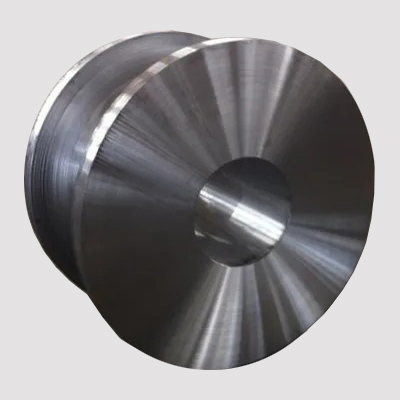
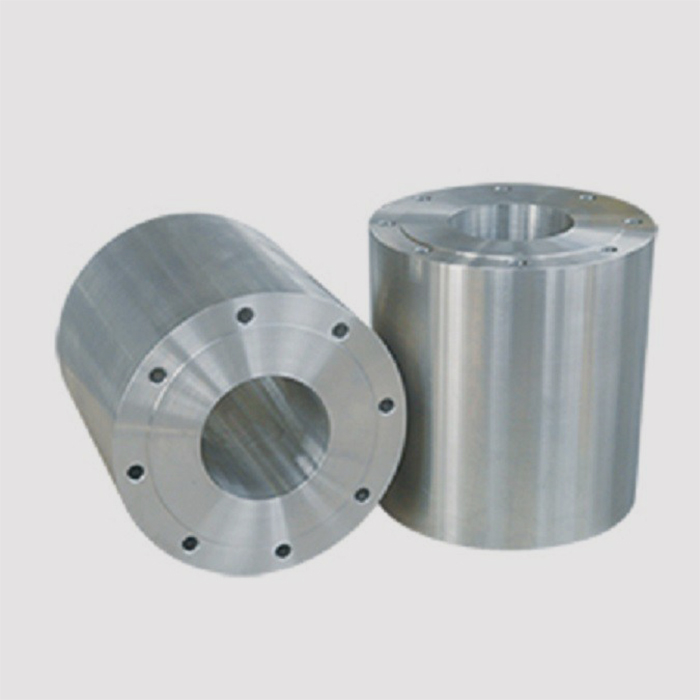
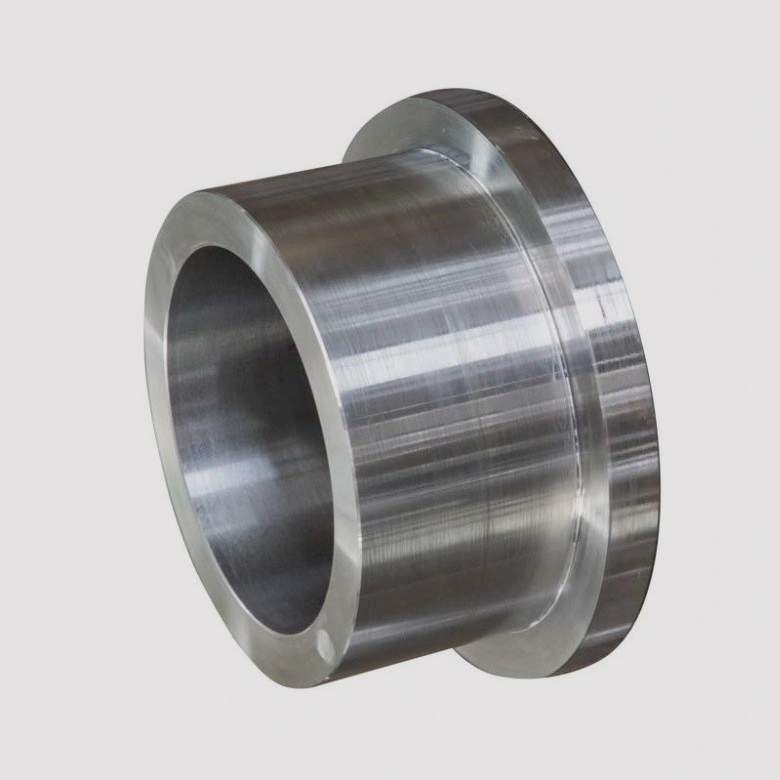
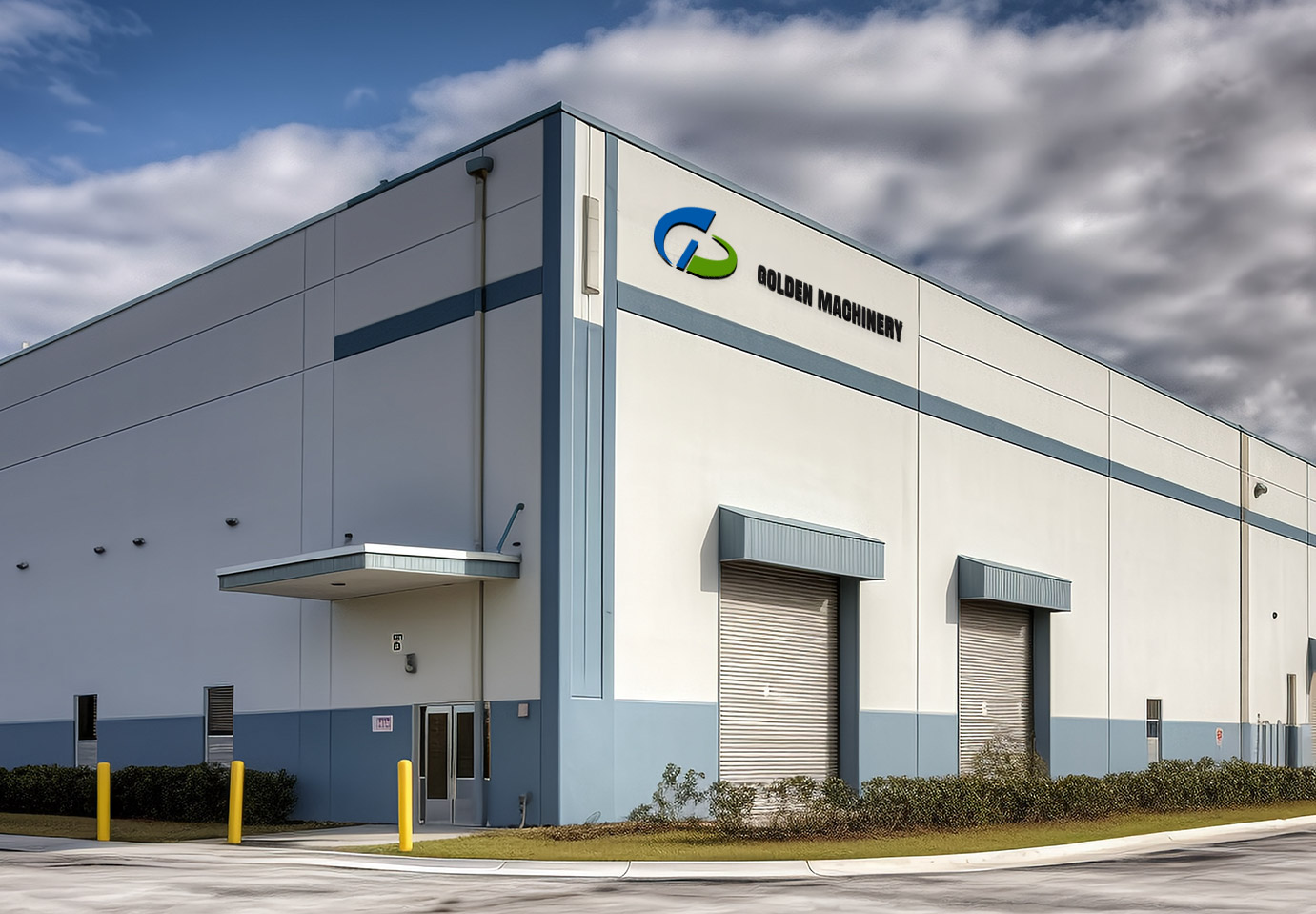
Jiangyin Golden Machinery Equipment Co., Ltd.
Jiangyin Golden Machinery Equipment Co., Ltd. covers an area of 10,000 square meters and has several standardized workshops. We specialize in the production of medium and small forgings and flanges, supported by advanced equipment and mature production technologies for sawing, forging, heat treatment, and precision rough machining.
We are China Forged Sleeves Manufacturers and Custom Carbon Steel Cylinder Factory. We are capable of meeting the requirements of customers across multiple industries, including power, petroleum, chemical engineering, metallurgy, machinery, light industry, and shipbuilding. By actively expanding into international markets, we have established cooperative relationships with several well-known enterprises, including Rich Reiter (Sweden), Alstom (France), Konecranes (Finland), Danieli (Italy), and General Electric (USA). Our products and services have earned wide recognition and praise from customers.
certification
-
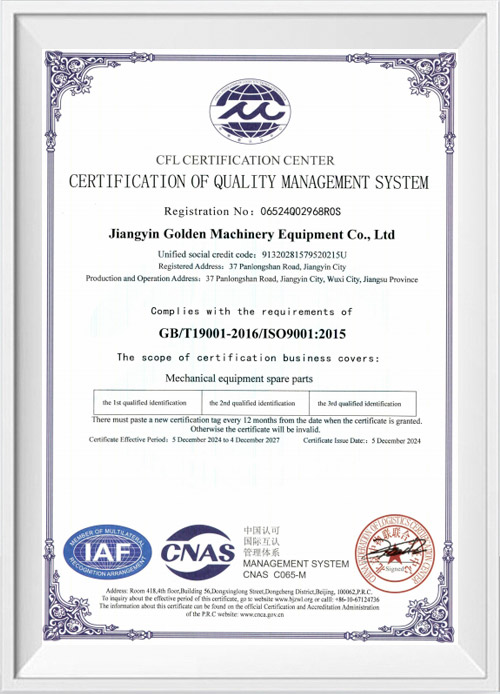 ISO9004
 -
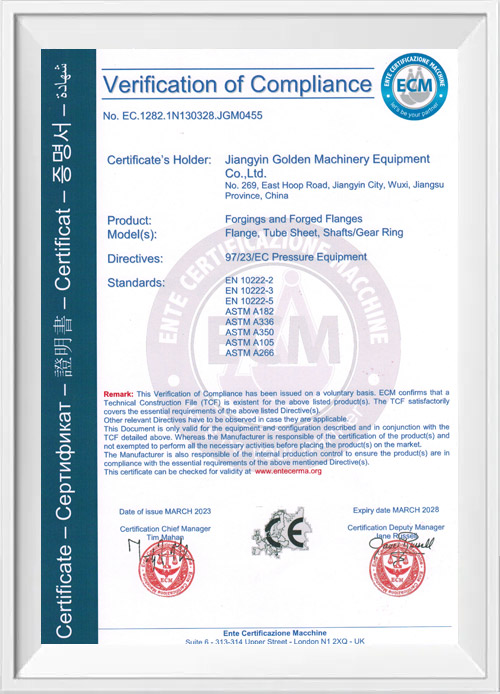 ECM
ECM -
ISO9001
News
-
Industry News 2026-07-17
Precision Metal Components Steel Shaft Selection Guide: Materials, Manufacturing, and Performance A steel shaft's performance depends on decisions made long be...
View More -
Industry News 2026-07-10
What Is Ring Forging Ring forging is a metal-shaping process that produces seamless, circular components by deforming a pierced metal blank under high pressure...
View More -
Industry News 2026-07-03
What Determines Load Capacity and Fatigue Life in a Steel Eccentric Shaft A steel eccentric shaft transmits rotating force off-center from its axis, and the f...
View More -
Industry News 2026-06-22
What "Forged in Steel" Actually Means for Part Performance A component is forged in steel when a solid billet is compressed under high pressure — by hammer, p...
View More -
Industry News 2026-06-16
What Is Forged Alloy Steel Forged alloy steel is steel that has been shaped through the application of compressive force — hammer blows or die pressing — at el...
View More
Forged Sleeves Industry Knowledge
Comprehensive Industry Guide: Forged Sleeves and Carbon Steel Cylinders
Product Overview
Forged Sleeves are high-strength cylindrical components manufactured through the forging process, primarily used in the production of carbon steel cylinders. Compared to casting, forged sleeves possess superior mechanical properties, a dense internal structure, and exceptional wear resistance. They are critical elements in hydraulic systems, pressure vessels, petrochemical equipment, and heavy machinery. JIANGYIN GOLDEN MACHINERY EQUIPMENT CO., LTD. specializes in producing these high-performance components, ensuring reliability across demanding industrial sectors.
Technical Specifications
The following table outlines the general specifications for our Forged Sleeves and Carbon Steel Cylinders:
| Parameter | Specification Range |
| Product Name | Forged Sleeves / Carbon Steel Cylinder |
| Material | Carbon Steel: AISI 1020, 1045, 4140, 4340 |
| Outer Diameter | 100mm - 2000mm |
| Inner Diameter | 50mm - 1800mm |
| Wall Thickness | 20mm - 300mm |
| Length | 200mm - 6000mm |
| Manufacturing Process | Free Forging / Ring Forging |
| Heat Treatment | Normalizing, Quenching & Tempering, Annealing |
| Tensile Strength | ≥ 600 MPa |
| Yield Strength | ≥ 355 MPa |
| Standards | ASTM, ASME, DIN, JIS, GB |
Chemical Composition of Common Materials
Selecting the right material grade is essential for the performance of Carbon Steel Cylinders. Below are the chemical compositions for standard grades used in our forging process:
| Material Grade | C (%) | Mn (%) | Si (%) | Cr (%) | Mo (%) |
| 1020 | 0.18-0.23 | 0.30-0.60 | 0.15-0.30 | - | - |
| 1045 | 0.43-0.50 | 0.60-0.90 | 0.15-0.30 | - | - |
| 4140 | 0.38-0.43 | 0.75-1.00 | 0.15-0.30 | 0.80-1.10 | 0.15-0.25 |
| 4340 | 0.38-0.43 | 0.60-0.80 | 0.15-0.30 | 0.70-0.90 | 0.20-0.30 |
Industry Knowledge and Technical Insights
Forged Sleeves vs. Cast Sleeves: Why Forging is Preferred for Cylinders
In the manufacturing of Carbon Steel Cylinders, the forging process offers distinct advantages over casting. Forging refines the grain structure of the steel, aligning the metal's fiber flow with the shape of the part. This results in significant improvements in strength and fatigue resistance.
| Performance Indicator | Forged Sleeves | Cast Sleeves |
| Internal Structure | Dense, free from porosity | Potential for micro-porosity |
| Tensile Strength | ≥ 600 MPa | 400 - 500 MPa |
| Fatigue Life | High | Relatively Lower |
| Pressure Capacity | Suitable for High/Ultra-high Pressure | Suitable for Low/Medium Pressure |
JIANGYIN GOLDEN MACHINERY EQUIPMENT CO., LTD. utilizes mature production technologies to ensure every sleeve meets the high-strength requirements of industries like petroleum and shipbuilding.
Material Selection: Performance Differences from AISI 1045 to 4140
The choice of material dictates the durability and application scope of the Forged Sleeve.
- AISI 1020: Low carbon content, excellent weldability and toughness. Ideal for low-pressure hydraulic cylinders.
- AISI 1045: Higher carbon content offering increased strength and machinability. Commonly used for medium-sized machinery cylinders.
- AISI 4140: Chromium-molybdenum alloy steel with high hardenability. Suitable for heavy-duty hydraulic cylinders and high-pressure equipment.
Heat Treatment and Machining Technical Points
To achieve optimal performance, Forged Sleeves undergo rigorous heat treatment and precision machining.
Heat Treatment Processes
- Normalizing: Refines grain structure and eliminates forging stresses.
- Quenching & Tempering: Provides an optimal balance of toughness and hardness (typically HB 220-280).
- Stress Relieving: Minimizes distortion after machining.
Machining Precision
- Inner Bore Tolerance: H7 - H9
- Surface Roughness: Ra 0.8μm - Ra 3.2μm
- Coaxiality: ≤ 0.05mm
With several standardized workshops and advanced equipment, JIANGYIN GOLDEN MACHINERY EQUIPMENT CO., LTD. ensures precise control over these parameters, delivering ready-to-use components to clients worldwide.
Industry Applications and Scenarios
Forged Sleeves serve as core components in environments requiring high pressure and structural integrity.
| Application | Component | Pressure Range | Key Requirement |
| Hydraulic Systems | Hydraulic Cylinder Tubes | 16MPa - 35MPa | High surface finish, fatigue resistance |
| Petrochemical | Reactor Sleeves | High Temperature/Pressure | Corrosion resistance |
| Shipbuilding | Rudder Stock Sleeves | 10MPa - 25MPa | Seawater corrosion resistance |
| Power Generation | Turbine Cylinder Liners | High Temperature | Thermal fatigue resistance |
Our products are widely used in power, petroleum, chemical engineering, metallurgy, and machinery industries. We have established cooperative relationships with well-known enterprises, including Rich Reiter, demonstrating our capability to meet global standards.
FAQ
What is the difference between a forged sleeve and a seamless rolled ring?
While both are forging products, a forged sleeve typically refers to a cylindrical component with a specific length-to-diameter ratio, often produced as a standalone cylinder body or liner. A seamless rolled ring is produced using a ring rolling mill, primarily to create a circular shape that is then machined into a sleeve. JIANGYIN GOLDEN MACHINERY EQUIPMENT CO., LTD. employs advanced forging techniques suitable for both, ensuring seamless, high-integrity structures ideal for high-pressure applications.
How does heat treatment affect the performance of Carbon Steel Cylinders?
Heat treatment is critical for Carbon Steel Cylinders. Processes like quenching and tempering significantly increase the yield strength and toughness of the material. Without proper heat treatment, the cylinder may fail under high pressure or cyclic loading. Our facility utilizes mature heat treatment technologies to ensure every forged sleeve achieves the required mechanical properties, such as a tensile strength of ≥ 600 MPa.
What materials are best for high-pressure hydraulic cylinder sleeves?
For high-pressure hydraulic applications, alloy steels like AISI 4140 or 4340 are generally preferred over simple carbon steels like 1045. The addition of chromium and molybdenum in 4140 provides higher hardenability and strength, allowing the sleeve to withstand internal pressures often exceeding 31.5 MPa without deformation or failure.
Can you provide custom sizes for forged sleeves?
Yes, customization is a core part of our service. We can manufacture forged sleeves ranging from 100mm to 2000mm in outer diameter and up to 6000mm in length. We support custom requirements for power, petrochemical, and heavy machinery industries, adhering to international standards like ASTM, ASME, and DIN.
What inspection methods are used for forged sleeves?
Quality control is rigorous. We utilize Ultrasonic Testing (UT) to detect internal defects like cracks or inclusions, and Magnetic Particle Testing (MT) for surface flaw detection. Additionally, mechanical property tests (tensile, impact, hardness) are conducted in our labs to ensure the material meets the strict specifications required by our global partners.
If you are interested in our products, please feel free to contact us.

-
 Tel/Wechat: 86-13646165906
-
 E-mail: [email protected]
[email protected]
[email protected] -
 WhatsApp: 86-13646165906
-
 Add: No. 37, Panlongshan Road, Jiangyin City, Jiangsu Province, China
Copyright © Jiangyin Golden Machinery Equipment Co., Ltd.Rights Reserved.
Custom Carbon Steel Forged Sleeves/Cylinder Manufacturers


