

 English
 русский

Jiangyin Golden Machinery Equipment Co., Ltd.
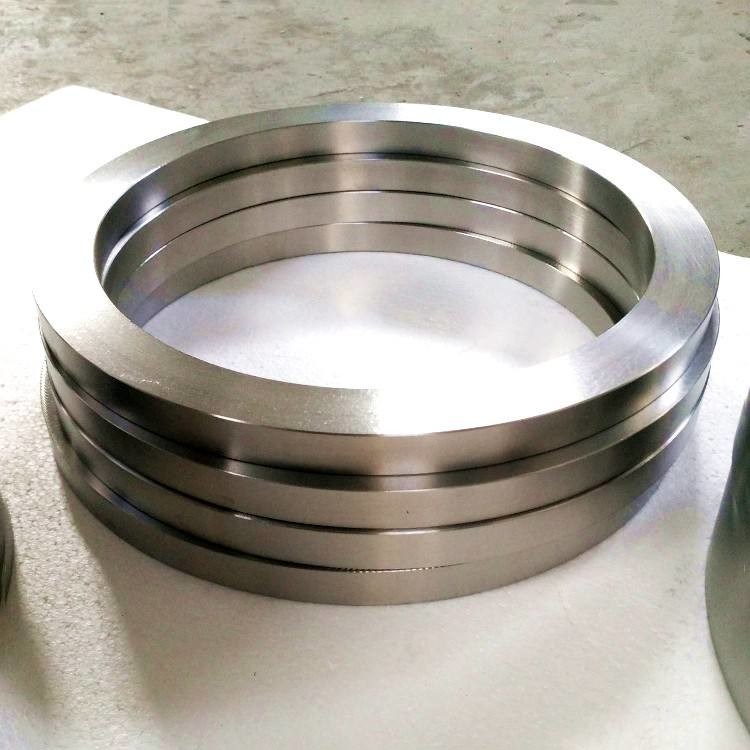
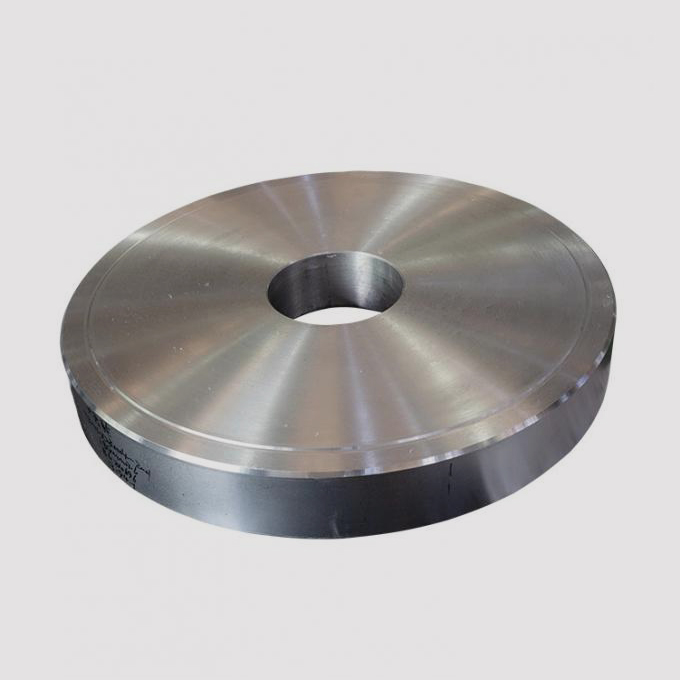
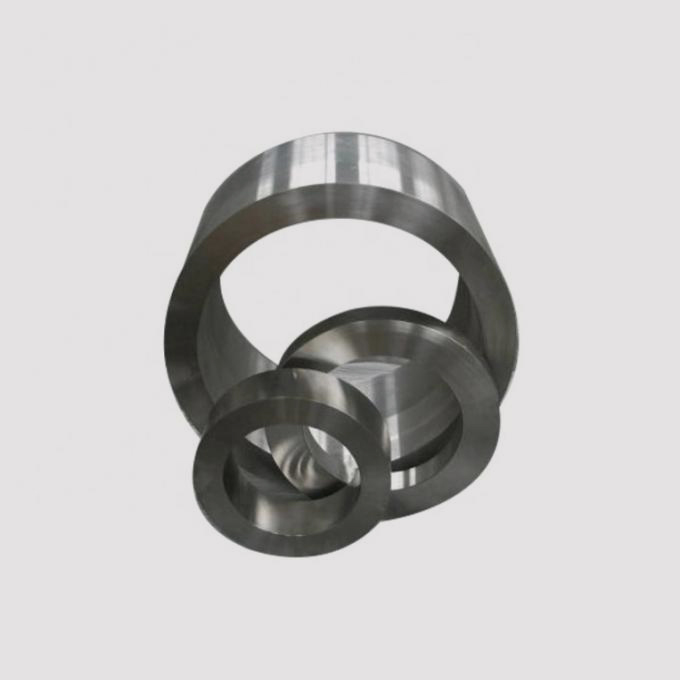
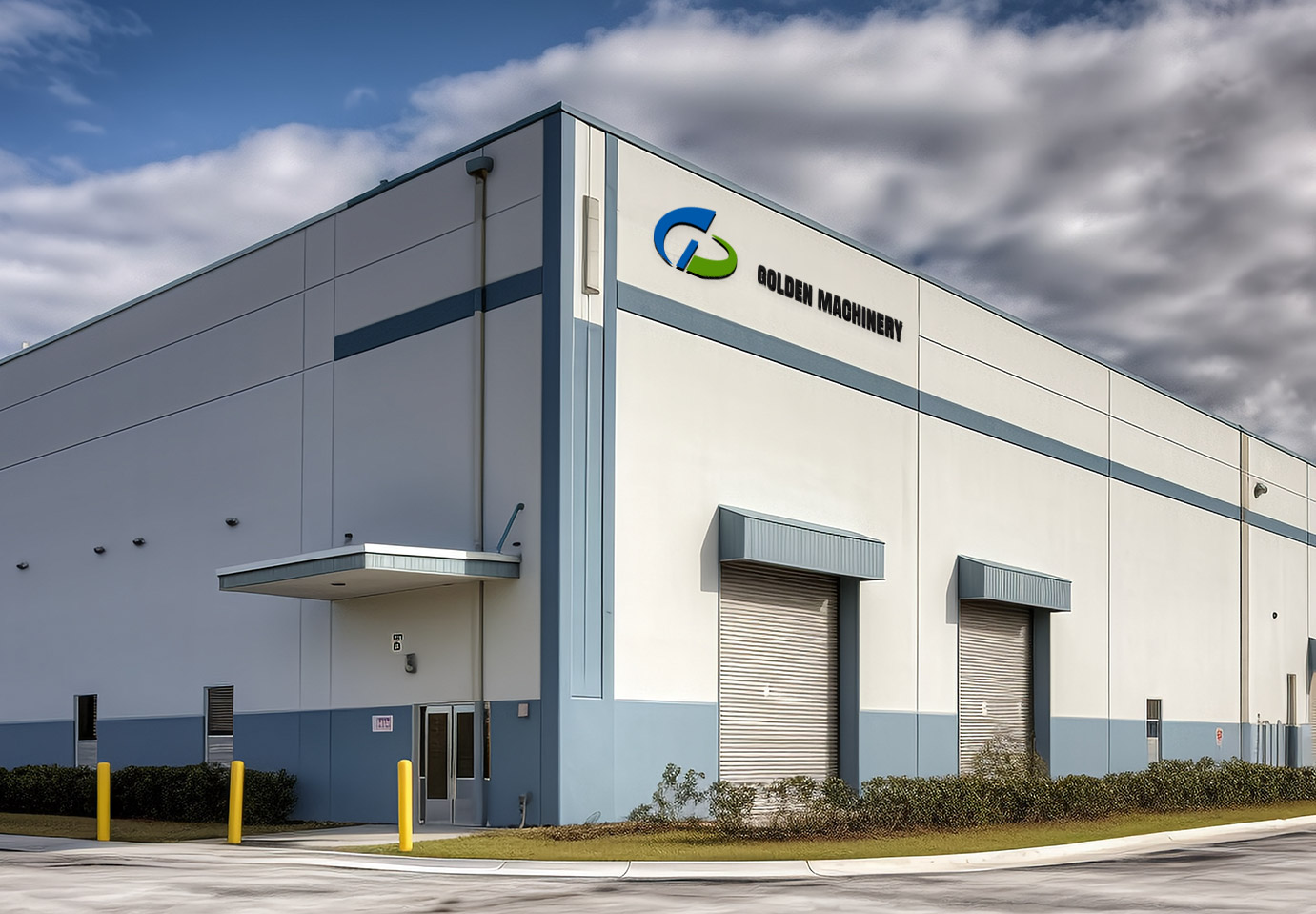
Jiangyin Golden Machinery Equipment Co., Ltd. covers an area of 10,000 square meters and has several standardized workshops. We specialize in the production of medium and small forgings and flanges, supported by advanced equipment and mature production technologies for sawing, forging, heat treatment, and precision rough machining.
We are China Forged Disc Manufacturers and Custom Forged Disc Factory. We are capable of meeting the requirements of customers across multiple industries, including power, petroleum, chemical engineering, metallurgy, machinery, light industry, and shipbuilding. By actively expanding into international markets, we have established cooperative relationships with several well-known enterprises, including Rich Reiter (Sweden), Alstom (France), Konecranes (Finland), Danieli (Italy), and General Electric (USA). Our products and services have earned wide recognition and praise from customers.
certification
-
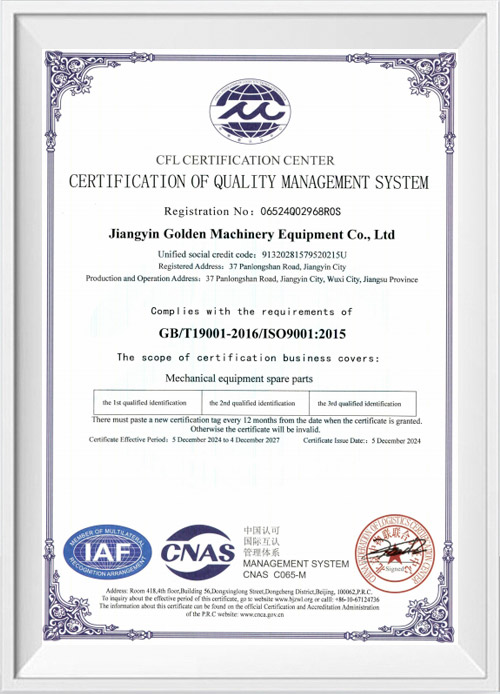 ISO9004
 -
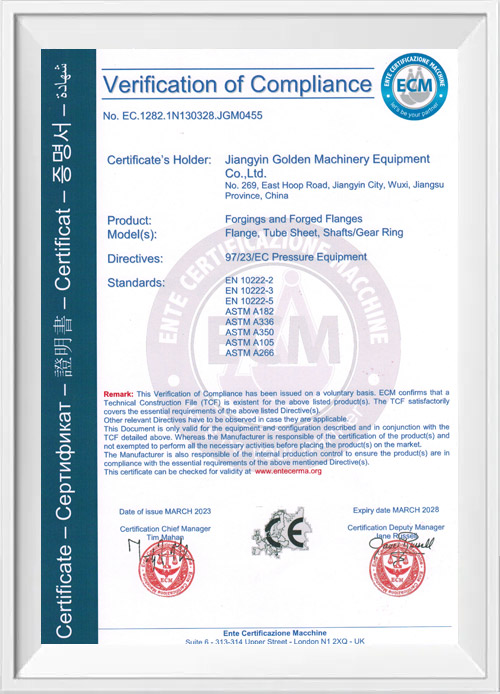 ECM
ECM -
ISO9001
News
-
Industry News 2026-07-17
Precision Metal Components Steel Shaft Selection Guide: Materials, Manufacturing, and Performance A steel shaft's performance depends on decisions made long be...
View More -
Industry News 2026-07-10
What Is Ring Forging Ring forging is a metal-shaping process that produces seamless, circular components by deforming a pierced metal blank under high pressure...
View More -
Industry News 2026-07-03
What Determines Load Capacity and Fatigue Life in a Steel Eccentric Shaft A steel eccentric shaft transmits rotating force off-center from its axis, and the f...
View More -
Industry News 2026-06-22
What "Forged in Steel" Actually Means for Part Performance A component is forged in steel when a solid billet is compressed under high pressure — by hammer, p...
View More -
Industry News 2026-06-16
What Is Forged Alloy Steel Forged alloy steel is steel that has been shaped through the application of compressive force — hammer blows or die pressing — at el...
View More
Forged Disc Industry Knowledge
What factors affect the weight of a Forged Disc?
Material Selection and Alloy Composition
The choice of material is one of the primary factors affecting the weight of a forged disc. Different alloys have distinct densities and mechanical properties, which directly influence the final mass of the component. High-strength aluminum alloys, for example, are frequently selected for applications where weight reduction is critical, such as in automotive or aerospace components. In contrast, steel-based alloys, while heavier, provide superior durability and load-bearing capacity. The density, ductility, and malleability of the raw material are carefully considered during the design and manufacturing process to ensure that the forged disc meets both weight and performance requirements.
At Jiangyin Golden Machinery Equipment Co., Ltd., material selection is a controlled process supported by extensive metallurgical testing. The company employs full in-house capabilities, including chemical analysis and mechanical testing, to ensure that the chosen alloy aligns with the expected operational demands. This approach allows Golden Machinery to produce forged disc products that balance weight considerations with required mechanical strength and resilience, optimizing performance for diverse industrial applications.
Structural Design and Geometry
The structural design of a forged disc significantly influences its weight. The geometry, including thickness, hub size, and spoke configuration, determines how much material is required and where it is concentrated. Designs that prioritize weight reduction often feature hollowed sections or optimized spoke patterns, which maintain structural integrity while reducing unnecessary mass. Conversely, applications requiring higher strength may incorporate additional material in critical load-bearing areas, increasing the overall weight.
Engineers at Golden Machinery apply advanced design tools to simulate stress distribution and deformation, ensuring that each forged disc achieves the optimal balance of weight and performance. By adjusting geometric parameters during the design phase, the company can provide tailored solutions for small- and medium-sized forgings, achieving weight efficiency without compromising safety or durability.
Manufacturing Process and Forging Techniques
The manufacturing process itself has a direct impact on the weight of a forged disc. Forging compresses the material, improving density and mechanical properties while also influencing the final dimensions. Controlled forging techniques, such as closed-die or precision forging, allow the manufacturer to closely manage material distribution, thereby affecting the weight. Proper heating before forging enhances plasticity, reduces deformation resistance, and ensures consistent material flow, which can prevent the inclusion of excess material and minimize unnecessary weight.
Jiangyin Golden Machinery Equipment Co., Ltd. integrates multiple steps in the forging process, including heating, forging, rough machining, and finish machining, to control weight and dimensional accuracy. Each stage is executed with precision, ensuring that the final forged disc meets strict specifications for mass and mechanical performance. This comprehensive approach allows for reliable production of components suitable for power generation, machinery, and marine engineering applications.
Heat Treatment and Mechanical Properties
Heat treatment can indirectly affect the weight of a forged disc by influencing the required dimensions and material thickness. Controlled quenching and tempering improve hardness, toughness, and strength, which may allow engineers to reduce material volume without compromising performance. By enhancing mechanical properties, heat treatment ensures that the forged disc can handle operational stresses with minimal excess mass, contributing to more efficient designs.
Golden Machinery's approach to heat treatment emphasizes consistency and precision. The company uses controlled heating profiles and quenching processes to stabilize the microstructure of each component, ensuring long-term reliability. This level of control allows engineers to design forged disc products that are not only strong but also optimized in weight, meeting the performance expectations of demanding industrial environments.
Machining and Dimensional Accuracy
Post-forging machining plays a crucial role in determining the final weight of a forged disc. Rough machining removes excess material, while finish machining ensures the component meets tight dimensional tolerances. Precise control during these steps prevents overcutting or leaving unnecessary material, directly affecting the mass of the disc. High-precision CNC equipment allows manufacturers to maintain consistent weight and ensure that every forged disc conforms to design specifications.
At Golden Machinery, machining processes are standardized and monitored by experienced operators. CNC sawing, rough machining, and finish machining are integrated into a workflow that prioritizes accuracy, reduces material waste, and delivers predictable weight outcomes. The combination of these processes allows the company to consistently produce forged disc components that satisfy both design and performance requirements.
Environmental and Operational Considerations
Operational requirements and environmental factors may also influence the weight design of a forged disc. Components subjected to high loads, vibration, or extreme temperatures may require additional material in critical areas, which can increase weight. Conversely, components for high-speed or lightweight applications benefit from optimized material reduction to enhance efficiency and performance.
Jiangyin Golden Machinery's engineering team considers these operational parameters during design and production. By analyzing load conditions, thermal exposure, and service environments, the company ensures that the forged disc maintains structural integrity without unnecessary mass. This approach helps clients achieve components that are durable, safe, and efficient in real-world applications.
Summary Table of Factors Affecting Forged Disc Weight
| Factor | Impact on Weight | Company Approach |
|---|---|---|
| Material Selection | Density and alloy composition influence mass | Metallurgical testing and analysis for optimal choice |
| Structural Design | Geometry determines material distribution | Advanced design simulations for weight optimization |
| Forging Process | Material compression and flow affect final weight | Controlled forging and heating to minimize excess material |
| Heat Treatment | Enhanced mechanical properties can allow reduced thickness | Precision quenching and tempering to stabilize structure |
| Machining | Excess material removal and dimensional accuracy | High-precision CNC machining and operator inspections |
| Operational Requirements | Load and environmental factors may add or reduce material | Engineering analysis to balance weight with performance |
Best Practices for Weight Optimization
- Select appropriate alloys: Choose materials with high strength-to-weight ratios.
- Optimize geometry: Use design simulations to remove non-essential material while maintaining strength.
- Control forging precision: Ensure uniform material flow to prevent excess thickness.
- Refine heat treatment: Adjust mechanical properties to allow material reduction.
- Implement precise machining: Monitor CNC processes to maintain consistent weight and tolerances.
- Consider operational loads: Evaluate environmental conditions to avoid overdesign.
By combining these best practices, manufacturers can produce forged disc components that meet stringent industrial requirements while minimizing unnecessary weight.
FAQ
Q: How can I determine if a forged disc is optimized for weight?
A: Inspect the material, design, and manufacturing quality. High-precision forging, heat treatment, and machining should be evident. Weight optimization is achieved when the component maintains strength with minimal excess material.
Q: Does the material choice affect only weight or also performance?
A: Material selection affects both weight and mechanical properties, including strength, toughness, and durability. Choosing the right alloy is essential for balancing these factors.
Q: Can the forging process alone reduce the weight of a disc?
A: While forging enhances density and mechanical properties, the combination of forging, design, and machining ultimately determines the final weight. Controlled forging ensures efficient material distribution.
Q: How often should a forged disc be inspected for weight-related performance issues?
A: Regular inspection schedules depend on operational conditions. Load-bearing and high-speed applications may require more frequent checks to ensure structural integrity without material compromise.
Q: How does Jiangyin Golden Machinery ensure consistent weight in their forged discs?
A: Through comprehensive in-house testing, controlled forging, precise heat treatment, and CNC machining, Golden Machinery maintains consistent weight and dimensional accuracy across all forged disc components.
If you are interested in our products, please feel free to contact us.

-
 Tel/Wechat: 86-13646165906
-
 E-mail: [email protected]
[email protected]
[email protected] -
 WhatsApp: 86-13646165906
-
 Add: No. 37, Panlongshan Road, Jiangyin City, Jiangsu Province, China
Copyright © Jiangyin Golden Machinery Equipment Co., Ltd.Rights Reserved.
Custom Forged Disc Manufacturers


