

 English
 русский
What Is Round Steel and Why It Matters
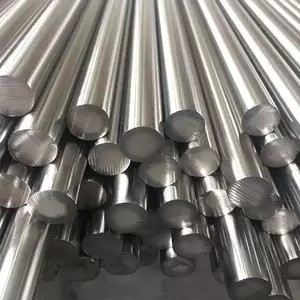
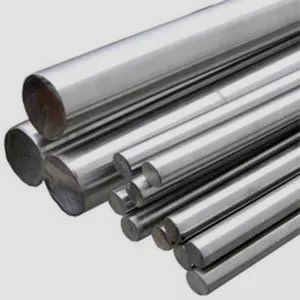
Round steel is a cylindrical metal bar with a circular cross-section, manufactured from carbon steel, alloy steel, or stainless steel through hot rolling, cold drawing, or forging processes. It serves as the foundational raw material for shafts, fasteners, structural supports, and precision-machined components across construction, automotive, aerospace, and manufacturing industries. Hot rolled round steel bars range from 5.5 mm to 250 mm in diameter, with smaller bars of 5.5 to 25 mm commonly supplied in straight bundles for use as rebar, bolts, and mechanical parts, while larger diameters above 25 mm primarily serve as billets for seamless steel pipe production and heavy machinery components. The selection between hot rolled, cold drawn, or forged round steel directly determines dimensional accuracy, surface finish, mechanical properties, and suitability for specific end-use applications.
Manufacturing Methods and Process Characteristics
Round steel bars are produced through three primary manufacturing methods, each imparting distinct properties that make the material suitable for different engineering requirements. The manufacturing process selection depends on the balance between cost, precision, mechanical performance, and surface quality needed for the final application.
Hot Rolled Round Steel
Hot rolled round steel is manufactured by heating steel billets above the recrystallization temperature, typically above 1700°F or 925°C, and then passing them through rolling mills to achieve the desired diameter. This process is cost-effective and enables rapid production of large quantities. Hot rolled bars feature a characteristic scaled, rough surface finish and wider dimensional tolerances compared to cold-processed alternatives. Diameter tolerances for hot rolled round steel typically range from -0.13 to +0.30 mm for bars under 12.7 mm, expanding to -0.38 to +3.81 mm for diameters exceeding 101.6 mm. Hot rolled round steel is the preferred choice for structural applications, general fabrication, and applications where surface finish is not critical, offering cost savings of 20-30% compared to cold drawn equivalents.
Cold Drawn Round Steel
Cold drawn round steel begins with hot rolled bars or coils that are cleaned by shot blasting or acid pickling to remove surface oxide scale. The material is then pulled through carbide dies at room temperature using high-pressure lubricants, reducing the cross-sectional area while improving dimensional precision and mechanical properties. This cold working process increases yield strength substantially and tensile strength moderately, while reducing ductility and improving machinability. Cold drawn bars achieve dimensional tolerances within plus or minus 0.002 to 0.005 inches and surface finishes with Ra values as low as 8-16 microinches. The superior straightness, typically within 1 mm per meter maximum, facilitates automatic bar feeding in CNC machining operations. Cold drawn round steel is essential for shafts, precision fasteners, hydraulic fittings, and automotive components requiring tight tolerances and smooth surfaces.
Forged Round Steel
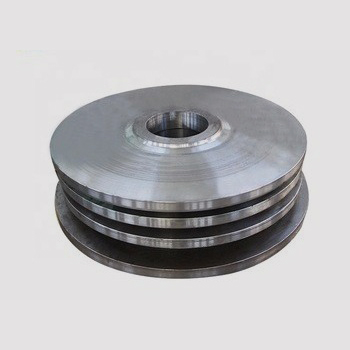
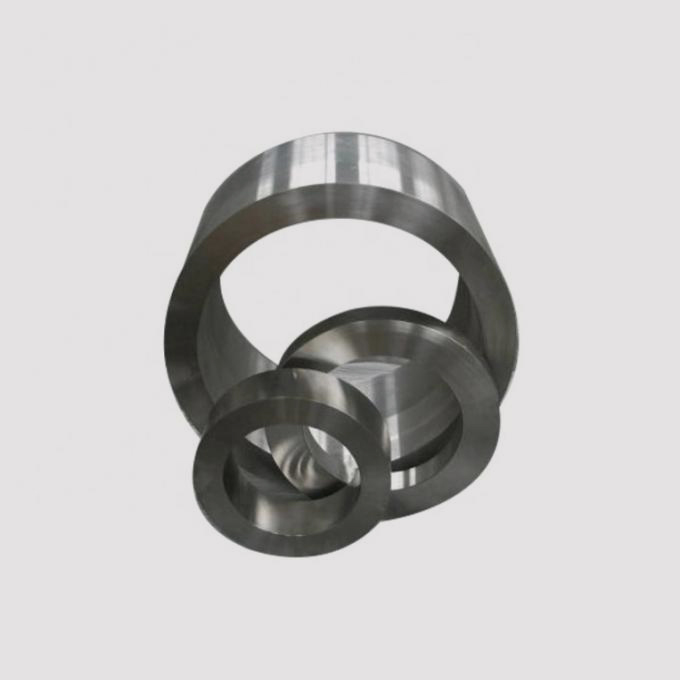
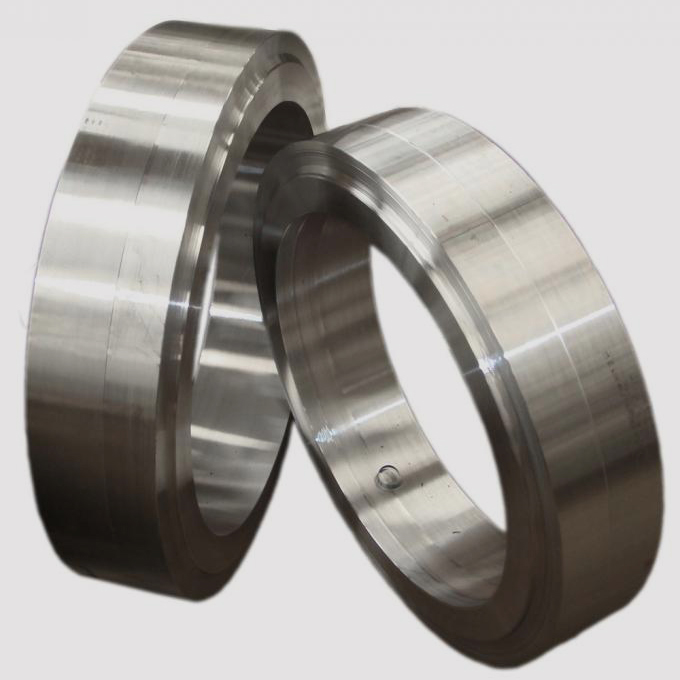
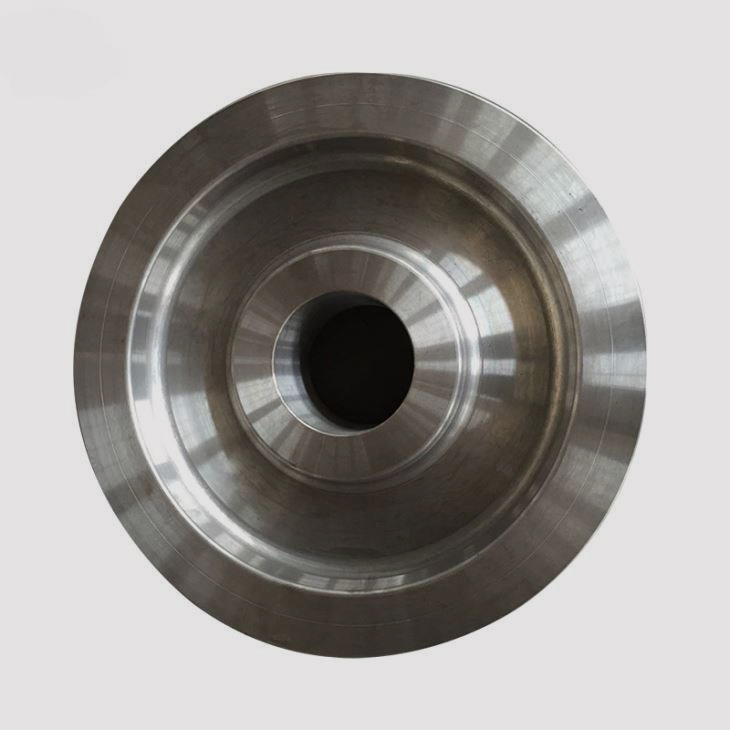
Forged round steel is produced by hammering or pressing heated billets into shape, creating a refined grain structure that enhances mechanical properties. Forging is typically applied to large-diameter bars ranging from 140 mm to 3000 mm for specialized applications such as crankshafts, gears, and heavy-duty machine components. The forging process eliminates internal voids and creates directional grain flow that improves fatigue resistance and impact toughness compared to rolled material.
Material Grades and Mechanical Properties
Round steel is classified by chemical composition into low carbon, medium carbon, and high carbon steel grades, with additional categories for alloy steel and stainless steel. Each grade offers a specific balance of strength, ductility, machinability, and weldability for targeted applications.
4140 / EN19| Grade | Carbon Content | Yield Strength | Primary Applications |
|---|---|---|---|
| Q195 / SAE 1010 | Low carbon | 195-305 MPa | General fabrication, wire rods |
| Q235 / ASTM A36 | Low to medium carbon | 235-250 MPa | Structural supports, bridges, buildings |
| Q345 / S355 | Low alloy | 345-355 MPa | Heavy structures, machinery frames |
| 45# / SAE 1045 | Medium carbon | 355-450 MPa | Shafts, gears, crankshafts |
| Chromium-molybdenum alloy | 655-750 MPa | High-strength shafts, axles, tooling | |
| 304 / 316 Stainless | Austenitic stainless | 205-240 MPa | Corrosion-resistant components, food processing |
Low Carbon Round Steel
Low carbon round steel contains less than 0.25% carbon content, offering excellent weldability, formability, and ductility. Grades such as Q195, Q235, SAE 1010, and SAE 1018 are widely used for general construction, reinforcing bars, bolts, and cold-formed components. AISI 1018 cold drawn steel bar is particularly valued for its good balance of toughness, strength, and ductility, making it the preferred choice for carburized parts, alternator shafts, fasteners, and precision-machined components. The material produces a uniform and harder case when carburized, supporting wear-resistant surfaces on ductile cores.
Medium and High Carbon Round Steel
Medium carbon grades from 0.25% to 0.60% carbon content, including 45# steel and SAE 1045, provide higher strength and hardness after heat treatment. These grades are essential for shafts, gears, axles, and components requiring balanced strength and toughness. High carbon grades above 0.60% carbon deliver maximum hardness and wear resistance for cutting tools, springs, and high-strength wire applications. Heat treatment processes including quenching and tempering, normalizing, and annealing are applied to achieve specific mechanical property targets for demanding applications.
Dimensional Specifications and Tolerances
Round steel bars are manufactured to standardized dimensional ranges with specified tolerances that ensure interchangeability and compatibility with downstream processing equipment. Understanding these specifications is essential for procurement and quality control.
Standard Size Ranges
Hot rolled round steel bars are available in diameters from 5.5 mm to 250 mm, with standard lengths of 6 meters or 12 meters. Cold drawn round bars cover a more precise range from 3 mm to 63.5 mm for standard cold drawn products, with larger diameters up to 120 mm available as smooth-turned and polished bars. Stainless steel round bars extend from 3 mm to 480 mm in diameter, accommodating applications from precision instruments to heavy industrial components. Custom lengths are available upon request, with random lengths typically ranging from 3 to 7 meters depending on diameter and mill capabilities.
Tolerance Standards
Diameter tolerances vary significantly between manufacturing methods. Hot rolled bars exhibit wider tolerances due to thermal expansion and contraction during cooling, with deviations increasing at larger diameters. Cold drawn bars maintain tight tolerances through the die drawing process, typically achieving h9, h10, or h11 tolerance classes according to ISO standards. Straightness requirements specify maximum height of arch per meter, commonly 3 mm per meter maximum for general-purpose bars and 1 mm per meter maximum for precision cold drawn products. Surface roughness values for peeled and burnished bars typically measure 175 micrometers Ra for diameters in the 75 to 180 mm range.
Surface Finishes and Treatments
The surface condition of round steel significantly impacts corrosion resistance, machinability, and aesthetic appearance. Multiple finishing options are available to meet specific application requirements.
Standard Surface Conditions
Hot rolled black bars retain the natural oxide scale formed during rolling, providing basic corrosion protection for short-term storage. Acid-pickled round bars undergo chemical treatment to remove surface scale, creating a cleaner surface suitable for painting or further processing. Cold drawn bright bars exhibit a smooth, mirror-like surface finish achieved through die drawing without additional heat treatment. Polished round bars receive mechanical surface refinement for decorative or precision applications requiring minimal surface defects. Centerless ground bars achieve the highest dimensional accuracy and surface quality for bearing races, hydraulic cylinders, and precision shafts.
Protective Coatings
Galvanized round steel bars receive a zinc coating through hot-dip or electroplating processes, providing sacrificial corrosion protection for outdoor and marine applications. Coated bars are available with epoxy, polyurethane, or other protective layers for specific environmental conditions. Rust preventive oils are applied to cold finished bars for protection during shipment and storage, requiring removal before welding or painting.
Primary Industrial Applications
Round steel bars serve as essential raw materials across virtually every industrial sector, from infrastructure construction to precision manufacturing. The versatility of round steel stems from its availability in diverse grades, sizes, and finishes that accommodate an exceptionally broad range of end-use requirements.
Construction and Infrastructure
In construction, round steel bars function as reinforcing bars for concrete structures, structural supports for buildings and bridges, and foundation anchors. Plain round bars of 6 to 10 mm diameter are commonly formed into coils for distribution bars, stirrups, and wall panel reinforcement. Deformed round bars with ribbed surfaces enhance bond strength with concrete and serve as primary tension reinforcement in columns, beams, and slabs. Grades HPB300, HRB400, and HRB500 provide yield strengths of 300 MPa, 400 MPa, and 500 MPa respectively, with HRB500 supporting super high-rise buildings and long-span bridges where material savings and structural efficiency are critical.
Automotive and Transportation
The automotive industry consumes substantial quantities of cold drawn round steel for precision components including axles, transmission shafts, steering linkages, stabilizer bars, and wheel spindles. SAE 1018 and SAE 1045 cold drawn bars provide the dimensional accuracy and machinability required for high-volume production. Free-cutting grades such as 12L14 and 1215 contain added lead or sulfur to improve chip breaking and tool life during automated machining operations. Round steel bars also form the raw material for coil springs, leaf springs, and torsion bars in suspension systems.
Machinery and Manufacturing
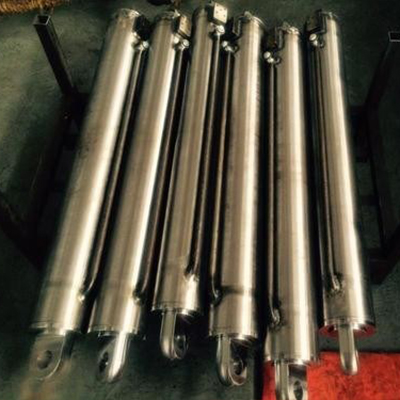
Industrial machinery manufacturers utilize round steel bars for shafts, gears, bearings, rollers, and hydraulic components. Quenched and tempered grades such as 4140 and EN19 deliver tensile strengths exceeding 1000 MPa with excellent fatigue resistance for rotating equipment. Tool steel round bars including H21 and D2 support die casting dies, extrusion molds, and cutting tools requiring hardness above 60 HRC after heat treatment. Stainless steel round bars in grades 304 and 316 serve food processing equipment, chemical reactors, and marine hardware where corrosion resistance is mandatory.
Oil and Gas, Energy, and Aerospace
The oil and gas industry relies on high-strength alloy round steel for drill collars, sucker rods, and wellhead components operating under extreme pressure and corrosive conditions. Power generation facilities use round steel for turbine shafts, generator rotors, and boiler supports. Aerospace applications demand specialty grades such as 17-4 PH stainless steel and titanium alloys manufactured to stringent aerospace quality standards with full traceability and non-destructive testing.
Selection Guidelines and Quality Verification
Specifying the correct round steel bar requires systematic evaluation of mechanical requirements, environmental conditions, processing methods, and quality standards. Proper selection ensures optimal performance while minimizing material waste and production costs.
Selection Framework
- Define mechanical requirements: yield strength, tensile strength, hardness, and ductility based on load conditions and safety factors
- Select manufacturing method: hot rolled for structural applications, cold drawn for precision machining, forged for heavy-duty components
- Determine diameter and length requirements with appropriate tolerance specifications
- Choose surface finish: black for general use, pickled for painting, bright drawn for machining, polished for decorative or precision applications
- Specify material grade based on carbon content, alloy additions, and required heat treatment response
- Verify compliance with applicable standards: ASTM, AISI, DIN, JIS, GB, or EN specifications
- Request material test certificates documenting chemical composition, mechanical properties, and dimensional verification
Quality verification should include ultrasonic testing for internal defects, eddy current inspection for surface and sub-surface flaws, and dimensional inspection against specified tolerances. For critical applications, third-party inspection by accredited laboratories provides additional assurance of material integrity. Leading suppliers maintain ISO 9001 quality management systems and provide comprehensive material certifications supporting full traceability from mill to end user.