

 English
 русский
Introduction
The steel hollow round bar is a crucial component in numerous industries, owing to its versatile application, strength, and ability to withstand significant stress. From the automotive industry to construction, aerospace, and beyond, steel hollow round bars serve as an essential material that ensures the reliability and durability of structural components. Whether it's used in automotive suspensions, building frameworks, or machinery manufacturing, the demand for steel hollow round bars continues to rise due to their practicality and reliability.
Overview of Steel Hollow Round Bar
Definition and Characteristics of Steel Hollow Round Bar
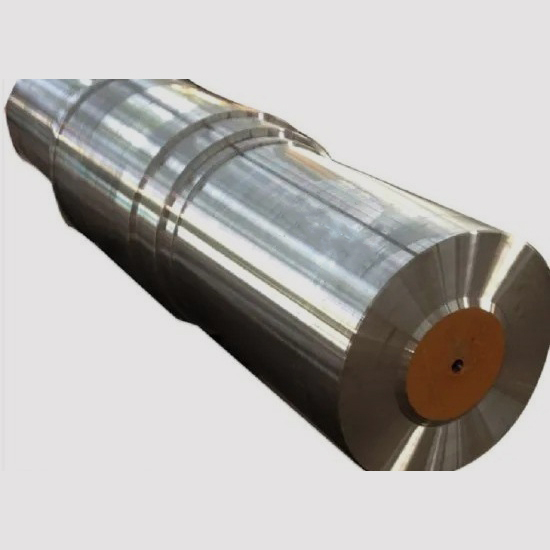
A steel hollow round bar is essentially a cylindrical bar made from steel with a hollow inner section, as opposed to a solid bar. The hollow center allows for weight reduction without compromising strength and stability, making it a cost-effective choice for various applications. Steel hollow round bars are available in different grades, each offering unique benefits depending on the specific use case.
The most common grades of steel hollow round bars are stainless steel, mild steel, and alloy steel. Stainless steel hollow bars, for example, are highly resistant to corrosion and are used in industries where high durability is required, such as the aerospace and chemical industries. Mild steel hollow bars are more commonly used in construction and machinery manufacturing due to their lower cost and ease of availability. Alloy steel hollow bars are designed to withstand high pressures and temperatures, making them ideal for use in demanding industries like automotive and energy.
Key characteristics of steel hollow round bars include:
- Shape and Structure: Circular cross-section with a hollow core.
- Versatility: Available in various sizes and materials to suit specific needs.
- Strength-to-weight Ratio: Offers a high strength-to-weight ratio, making them suitable for heavy-duty applications.
- Cost-Effectiveness: The hollow nature reduces material usage, thus lowering costs.
Common Sizes and Specifications
Steel hollow round bars come in various sizes, ranging from small diameters for light-duty applications to large diameters for heavy-duty industrial use. The most common dimensions are specified by their outer diameter and the thickness of the steel walls. The sizes are typically measured in millimeters or inches, depending on the region.
In addition to standard sizes, many manufacturers also offer custom sizes to meet specific requirements. These custom sizes are often tailored for unique projects, such as large structural frameworks or intricate machinery parts.
Here's a table showcasing some common sizes and specifications for steel hollow round bars:
| Size (mm) | Outer Diameter (mm) | Inner Diameter (mm) | Length (m) | Material | Primary Applications |
|---|---|---|---|---|---|
| 20 | 20 | 10 | 6 | Stainless Steel | Automotive, Aerospace |
| 50 | 50 | 40 | 6 | Mild Steel | Machinery, Manufacturing |
| 100 | 100 | 80 | 12 | Alloy Steel | Engineering, Structural |
The size selection will often depend on the material, as some materials are available only in certain sizes or require special manufacturing processes.
Primary Applications of Steel Hollow Round Bar
Automotive Industry
Steel hollow round bars are widely used in the automotive industry, particularly for the production of components that require both strength and reduced weight. These bars are often used in suspension systems, chassis, and exhaust systems due to their high tensile strength and ability to absorb impact forces.
The hollow nature of the steel bar reduces the overall weight of the vehicle while maintaining the necessary structural integrity, leading to improved fuel efficiency and performance.
The following table highlights some common automotive components made from steel hollow round bars:
| Component | Material | Size | Function |
|---|---|---|---|
| Car Chassis | Stainless Steel | 50 x 40 | Provides support and stability |
| Suspension Systems | Alloy Steel | 100 x 80 | Enhances impact resistance and reduces weight |
| Exhaust Systems | Mild Steel | 60 x 50 | Corrosion-resistant, maintains high durability |
These parts are essential for the overall safety and performance of vehicles, especially in high-demand areas like motorsports, where strength and lightweight components are crucial.
Construction and Structural Engineering
Steel hollow round bars are also extensively used in construction, particularly in structural engineering. Their strength and ability to support heavy loads make them a critical component in high-rise buildings, bridges, and other infrastructure projects. The hollow design provides an optimal combination of strength, weight reduction, and material efficiency, all while maintaining structural integrity.
Hollow round bars are often used as support beams, columns, and as part of frameworks for buildings. They can withstand extreme loads and forces, which is essential for the safety and longevity of the structure.
Here's a table showing how steel hollow round bars are utilized in construction:
| Structure Type | Material | Size | Function |
|---|---|---|---|
| High-Rise Building Frames | Mild Steel | 150 x 100 | Provides support and stability |
| Bridge Supports | Alloy Steel | 200 x 150 | Enhances load-bearing capacity |
| Industrial Structures | Stainless Steel | 75 x 60 | Offers corrosion resistance for long-lasting strength |
In addition to their structural uses, steel hollow round bars are also used for aesthetic purposes in architectural designs, as they can be manufactured in polished finishes and incorporated into modern facades and designs.
Sourcing and Procurement of Steel Hollow Round Bar
How to Choose the Right Steel Hollow Round Bar
Choosing the appropriate steel hollow round bar for a specific application requires considering several critical factors. Not all steel hollow round bars are created equal, and the material, size, and manufacturing process can significantly affect the performance of the final product.
Key considerations when selecting the right steel hollow round bar include:
-
Material Type: Depending on the environment and specific requirements, the material of the hollow bar can vary. Stainless steel is often chosen for its corrosion resistance, especially in industries like aerospace and marine. Mild steel, on the other hand, is cost-effective and commonly used in construction and mechanical applications. Alloy steel, with its higher strength and heat resistance, is ideal for demanding industrial environments.
-
Size and Specifications: The diameter and wall thickness of the hollow round bar should align with the requirements of the application. For example, heavy-duty structures may require larger diameter bars with thicker walls for increased strength, while lightweight applications may prioritize smaller diameters.
-
Strength and Durability: For critical applications, such as in aerospace or automotive suspensions, choosing a steel hollow round bar with superior tensile strength and fatigue resistance is essential. Strength and durability are key properties that influence the material choice.
-
Corrosion Resistance: For parts exposed to extreme environments, corrosion resistance becomes a crucial factor. Stainless steel and alloy steel offer superior resistance to rust and corrosion, making them ideal for harsh environments like marine and chemical industries.
Common Sourcing Channels and Procurement Tips
The procurement process for steel hollow round bars involves finding reliable suppliers and manufacturers who can meet the specific needs of your project. Given the variety of materials and sizes available, the choice of vendor is crucial in ensuring quality and timely delivery.
Here are a few tips for sourcing steel hollow round bars:
-
Reputation of Suppliers: Opt for well-established suppliers with a proven track record in the steel industry. Reviews, certifications, and references from other companies can provide valuable insight into their reliability and product quality.
-
Lead Time: The procurement timeline can vary depending on the size and custom specifications of the steel hollow round bar. It's essential to communicate lead times with the supplier upfront to ensure timely delivery, especially for projects with tight deadlines.
-
Cost Comparison: While price is always a consideration, it should not be the sole factor in your decision. It's essential to balance cost with product quality, especially when the bars are used for critical applications where failure is not an option.
-
Customization: Many suppliers offer custom steel hollow round bars tailored to specific project requirements. When sourcing, inquire about the supplier's ability to meet custom size and material specifications.
Custom Steel Hollow Round Bar Procurement
Some applications require steel hollow round bars to be customized in terms of size, shape, or material properties. Customization often caters to industries with highly specific needs such as precision engineering, advanced manufacturing, or heavy-duty construction.
Procurement of custom steel hollow round bars can involve additional steps, including:
-
Design Specifications: Work with the supplier's engineering team to define the exact specifications for the custom bars, including dimensions, material grade, and additional features like surface finishes or coatings.
-
Prototype Testing: Before full-scale production, it may be necessary to create prototypes to test the steel hollow round bars under real-world conditions. This helps ensure that the product meets the necessary requirements for performance, durability, and safety.
-
Compliance with Standards: For critical applications, such as in aerospace or medical devices, it's essential to ensure that the custom steel hollow round bars meet relevant industry standards, such as ASTM (American Society for Testing and Materials) or ISO (International Organization for Standardization).
Steel Hollow Round Bar Machining and Technology
Common Machining Methods for Steel Hollow Round Bars
Steel hollow round bars are often machined to meet the specific requirements of their applications. Various machining methods are used to shape and finish the steel, including:
-
Precision Cutting: Cutting is one of the primary machining methods used for steel hollow round bars, especially when precise lengths or specific dimensions are required. Cutting may be done using saws, band saws, or CNC (computer numerical control) machines.
-
Drilling and Boring: For applications that require precise hole sizes in the hollow bar, drilling and boring are common methods. These techniques allow for the creation of holes with high accuracy, essential for parts that will undergo further assembly or connection with other components.
-
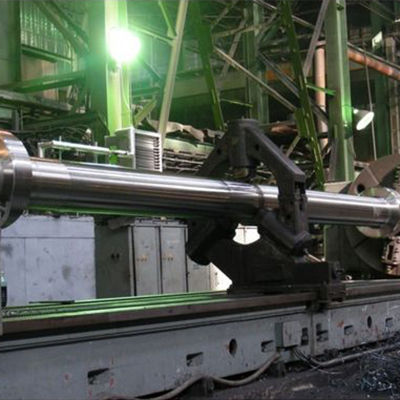
Turning and Milling: Turning involves rotating the steel hollow round bar while a cutting tool is applied to shape the material. Milling is used to create complex shapes or surface finishes. Both of these methods can be used to machine the external and internal surfaces of steel hollow round bars.
-
Welding and Joining: In some applications, steel hollow round bars are joined or welded to other components. Welding processes, such as TIG (Tungsten Inert Gas) and MIG (Metal Inert Gas), are commonly used to connect hollow bars to other metal components or to form complex structures.
Challenges in Machining Steel Hollow Round Bars
Machining steel hollow round bars presents several challenges, particularly due to the hollow core and the thickness of the material. Some of the common issues include:
-
Tool Wear: Due to the hardness of the steel, cutting tools can wear down quickly during machining. Using advanced materials for tooling, such as carbide or ceramic, can help mitigate this issue.
-
Dimensional Accuracy: Achieving the desired dimensions for both the outer and inner diameters of the steel hollow round bar can be challenging. Precision in machining is essential, especially when the bars are used in industries like aerospace or automotive.
-
Warping and Distortion: The hollow nature of the bar may lead to uneven heating during machining, resulting in warping or distortion. This is a particular concern when performing processes such as welding or heat treatment.
Conclusion
Steel hollow round bars play a pivotal role in various industries due to their strength, versatility, and cost-effectiveness. Their applications range from automotive and aerospace to construction and energy, with industries relying on these bars to reduce weight, enhance performance, and ensure safety.
FAQ
1. What is a steel hollow round bar, and how is it different from solid steel bars?
A steel hollow round bar is a cylindrical bar with a hollow core, making it lighter than solid steel bars while maintaining strength. This design is ideal for applications where reducing weight without sacrificing performance is important, such as in the automotive and aerospace industries.
2. What are the main uses of steel hollow round bars in the automotive industry?
In the automotive industry, steel hollow round bars are used for components like suspension systems, chassis, and exhaust parts. They provide strength and durability while reducing weight, which helps improve fuel efficiency and vehicle performance.
3. How do I choose the right steel hollow round bar for my project?
To choose the right bar, consider the material (stainless, mild, or alloy steel), the required strength, and the size needed for your application. Ensure it meets the specific load and environmental conditions for your project.
4. What industries commonly use steel hollow round bars?
Steel hollow round bars are used in the automotive, aerospace, construction, energy, and machinery industries. They are essential in making lightweight, strong parts for vehicles, aircraft, infrastructure, power plants, and equipment.
5. What are the advantages of using steel hollow round bars over other materials or bar types?
Steel hollow round bars offer a superior strength-to-weight ratio, reducing material usage and costs. They are versatile, with options in stainless, mild, or alloy steel, making them suitable for various industries and applications.