

 English
 русский
Introduction
Steel hollow round bars, as a widely used material in industries, are essential in providing strength, durability, and efficient processing capabilities across various fields. With advancements in technology, steel hollow round bars are not only crucial in construction, mechanical manufacturing, and the automotive industry but also stand out for their advantages in terms of high strength and corrosion resistance, making them perfect for complex environments. The demand for steel hollow round bars, accompanied by continuous innovation in processing technologies, has become increasingly diverse.
However, despite the many benefits of steel hollow round bars, choosing the right one for different applications is still a problem many enterprises face when purchasing. This article will delve into the relevant knowledge of steel hollow round bars, helping readers understand their applications and selection principles, providing scientific references for actual purchasing and usage.
Section 1: Overview of Steel Hollow Round Bars
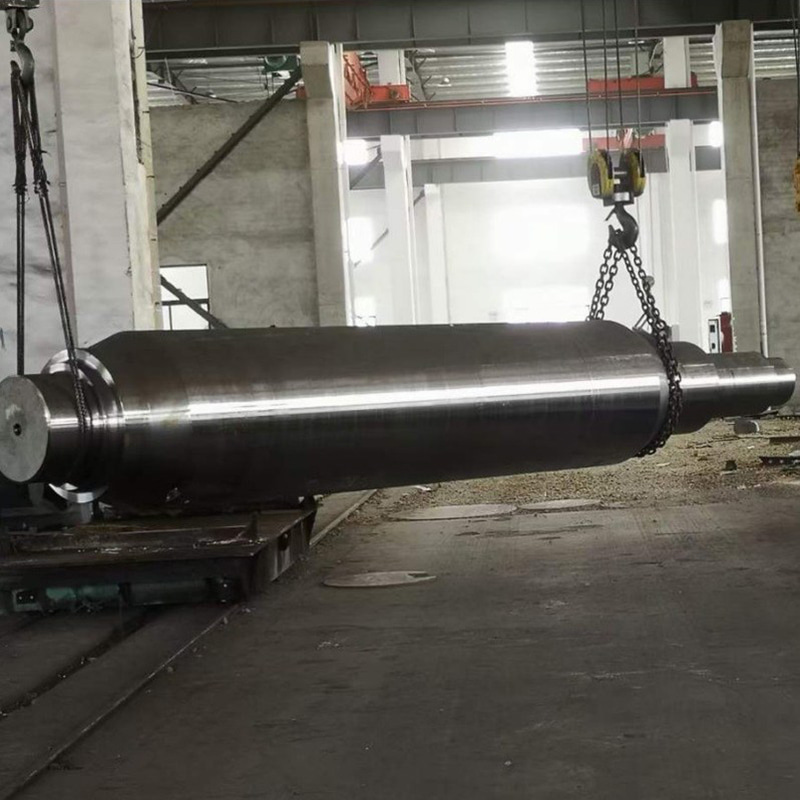
A steel hollow round bar is a hollow circular steel material commonly used to provide structural support in lighter applications. Compared to traditional solid round bars, steel hollow round bars reduce material usage and lower production costs while ensuring strength. This type of material usually has a hollow interior, reducing weight while enhancing performance in specific applications.
Steel hollow round bars are widely used in various scenarios. They can be applied in load-bearing components, pipelines for fluid or gas transmission, supporting structures, etc. The material is usually made from steel, alloy steel, aluminum alloys, and other metals, which undergo various processing techniques such as cold rolling, hot rolling, and forging to meet the requirements of different industrial fields.
The key difference between steel hollow round bars and solid round bars is their internal structure. The hollow design allows steel hollow round bars to have a significantly better strength-to-weight ratio, making them ideal for applications where high strength is needed, but minimizing weight is crucial. For example, in industries like aerospace, automotive, and construction, steel hollow round bars are widely used due to their ability to reduce overall weight while maintaining structural integrity.
Section 2: Advantages of Stainless Steel Round Bars
Corrosion Resistance: A Key Feature of Steel Hollow Round Bars
When discussing steel hollow round bars, stainless steel is often the most commonly used material. Thanks to its superior corrosion resistance, stainless steel round bars can maintain a long service life in many harsh environments, especially in humid, high-temperature, and chemically corrosive conditions. This feature makes stainless steel round bars widely used in chemical processing, food production, marine engineering, and other fields.
The corrosion resistance of stainless steel comes from a dense oxide film that forms on its surface, preventing chemical reactions between the air, water, and the steel's internal material. As a result, stainless steel round bars remain resistant to saltwater and moisture corrosion in marine environments. Additionally, stainless steel round bars maintain excellent mechanical properties at high temperatures, making them an irreplaceable choice for equipment like boilers and heat exchangers.
Strength and Toughness: Ensuring Stability Under Load
Another significant advantage of stainless steel round bars is their high strength and toughness. Strength and toughness are essential properties in structural materials, and stainless steel round bars excel in both areas. Especially in applications where heavy loads are applied, stainless steel round bars can ensure the stability and safety of the structure.
For example, 304 stainless steel round bars provide good tensile strength and yield strength, as well as maintain good ductility even at lower temperatures. Even under high-temperature conditions, the mechanical properties of stainless steel round bars remain excellent. Therefore, stainless steel round bars are often selected for applications where high strength and long-term use are required.
Good Processing Performance
Despite stainless steel's higher hardness, its processing capabilities remain excellent. Modern stainless steel round bar processing technologies are highly advanced, enabling the steel bars to be processed into various sizes and shapes with ease to meet customer requirements. In particular, when faced with customized needs that require precise dimensions and complex shapes, steel processing technologies provide greater flexibility for the application of stainless steel round bars.
Section 3: Steel Processing and Customization of Steel Hollow Round Bars
Now that we have a basic understanding of steel hollow round bars, we will explore how steel processing technologies can optimize their performance and how customization can be tailored to meet the diverse needs of different industries.
Steel Processing Technologies: Enhancing the Performance of Steel Hollow Round Bars
The processing techniques for steel hollow round bars directly affect their performance and applicability. Currently, steel processing technologies primarily include hot rolling, cold rolling, forging, and drawing. These processes can alter the microstructure of the steel and enhance its mechanical properties and durability.
- Hot Rolling: Hot rolling involves heating steel hollow round bars to a specific temperature and then rolling them into shape. This process improves the steel's mechanical properties, making it more uniform.
- Cold Rolling: Cold rolling is the process of compressing steel hollow round bars at room temperature, improving their strength and surface finish. It is suitable for applications that require higher precision.
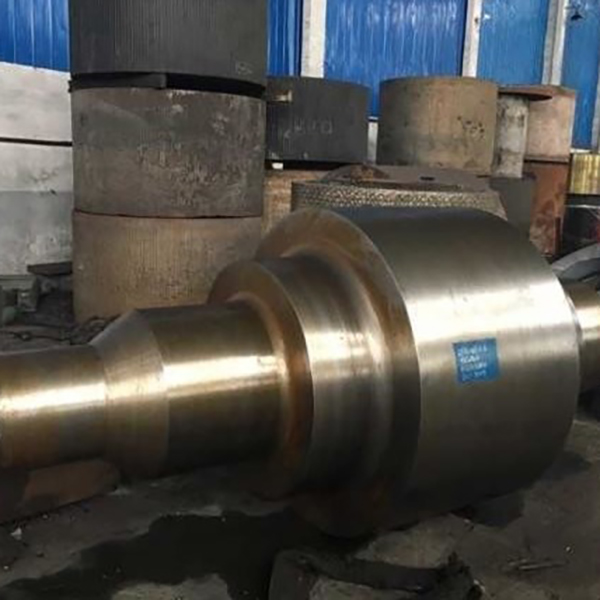
- Forging: Forging involves shaping steel through compressive forces to improve its microstructure, resulting in a denser material with increased compressive strength and toughness.
- Drawing: Drawing is a process in which steel is pulled to reduce its diameter, suitable for manufacturing fine steel products like precision tubes.
The combination and application of these processing techniques can adjust the performance of steel hollow round bars according to customer needs, ensuring their adaptability to different industries.
Customization of Round Steel: Tailored Services According to Customer Requirements
As market demand for personalized products increases, customized steel hollow round bars are becoming more important. Different industrial applications require various specifications, materials, and processing methods for steel hollow round bars. Customization services allow manufacturers to meet the exact needs of customers, delivering the desired product based on specific requirements.
During the customization process, customers need to clarify their requirements, such as dimensions, material, and processing techniques. The manufacturers will select suitable raw materials, employ the best processing techniques, and eventually deliver the customized product. This service not only provides a variety of options but also helps customers save time and reduce costs.
Section 4: How to Choose the Right Steel Hollow Round Bar
When purchasing steel hollow round bars, it is essential to consider the specific application requirements. The following factors should be carefully evaluated when choosing the right product:
Material Selection
Material is one of the most critical factors affecting the performance of steel hollow round bars. Different materials have distinct properties in terms of strength, corrosion resistance, and processing capabilities. For instance, 304 stainless steel round bars are suitable for general environments, while 316 stainless steel round bars are better for environments with severe corrosion.
Size and Specifications
The size and specifications of steel hollow round bars must be determined according to actual usage requirements. Choosing the appropriate diameter, wall thickness, and length will ensure that the steel hollow round bars fit well in the application, providing stability and performance.
Processing Techniques
Different processing techniques affect the steel hollow round bar's mechanical properties, surface finish, and other aspects. Understanding the manufacturer's processing capabilities is essential when purchasing. If high precision is required, customers may choose manufacturers with advanced processing technologies.
Cost and Performance Balance
When selecting steel hollow round bars, it is necessary to consider not only performance but also cost. Striking a balance between quality and cost will help you make a more economical decision without compromising essential attributes.
Delivery Schedule
Since the production cycle for steel hollow round bars may be longer, the delivery schedule should also be taken into account when purchasing. It is crucial to communicate with suppliers in advance to ensure timely delivery, especially for urgent projects. For bulk orders, a reasonable inventory plan can prevent delays and ensure smooth project progress.
Section 5: Cutting Services for Steel Hollow Round Bars and Their Applications
Cutting Services: Improving Production Efficiency and Reducing Waste
In practical use, steel hollow round bars often need to be cut according to specific requirements. Cutting services are an essential part of steel processing, not only providing precise dimensions as required by customers but also reducing material waste. Common cutting methods include mechanical cutting, laser cutting, and plasma cutting, each with its advantages.
- Mechanical Cutting: A conventional cutting method using cutting machines, suitable for mass production with relatively lower costs and general cutting precision.
- Laser Cutting: A high-precision cutting method that provides fine cutting results, especially suitable for applications requiring high precision.
- Plasma Cutting: Suitable for cutting thicker steel plates and large-diameter round bars, able to complete cutting tasks quickly, commonly used in large-scale production lines.
Choosing the right cutting method helps customers combine efficiency and cost-effectiveness depending on their specific needs. For high-precision applications, laser cutting might be the ideal choice, while for large-volume production with less emphasis on precision, mechanical cutting could be more cost-effective.
Key Factors in Round Bar Cutting
There are several key factors that affect the cutting results and the final quality of the product:
- Cutting Precision: Different processing methods and cutting tools provide varying levels of cutting precision. Customers should clarify their precision requirements beforehand. For high-precision cuts, laser cutting or water jet cutting may be more suitable.
- Cutting Speed: The cutting speed directly impacts the production cycle and costs. Faster cutting speeds improve production efficiency, particularly in large-scale operations, but must not compromise cutting quality.
- Post-Cutting Surface Treatment: Cutting processes can produce burrs and oxidation layers that may affect the product quality. After cutting, deburring, polishing, and other surface treatments are often necessary to ensure the final product has a clean, smooth surface.
Wide Applications of Round Bar Cutting Services
Steel hollow round bars, due to their high strength-to-weight ratio, are widely used across industries. The application of cutting services further enhances their adaptability to various production needs. Some of the most common sectors that use round bar cutting include:
- Construction Industry: Steel hollow round bars are often used as load-bearing components in construction projects. With precise cutting, they fit different structural needs, especially in large buildings and bridge projects.
- Automotive Manufacturing: Steel hollow round bars are crucial in the automotive industry, especially in the production of car frames, suspension systems, and other structural parts. Cutting services enable precise dimensions to be tailored to the requirements of different vehicle models.
- Aerospace: In the aerospace industry, steel hollow round bars' lightweight and high-strength properties make them an essential choice for aircraft structural components. Cutting services ensure the precise dimensions and shapes needed for complex aerospace parts.
- Machinery Manufacturing: The machinery manufacturing industry also heavily uses steel hollow round bars for producing precision parts. Round bar cutting can provide the appropriate lengths and sizes required for various machinery components.
Section 6: Material Selection and Purchasing Recommendations for Steel Hollow Round Bars
Determine Application Requirements
When purchasing steel hollow round bars, it's crucial to first define their intended usage. Different application scenarios impose varying requirements on the material, which should guide the material selection. For example, if the operating environment is moist or exposed to corrosive gases, stainless steel round bars with high corrosion resistance are the best option. For high-strength applications, alloy steel or carbon steel might be more appropriate.
Understand Material Standards and Specifications
When selecting steel hollow round bars, it's important to follow industry standards and material specifications. These standards define the mechanical properties, chemical composition, and dimensional tolerances of the steel. Understanding and choosing materials that meet these standards will ensure the product performs reliably during use.
Choose the Right Supplier
Choosing a reputable supplier is key to ensuring the quality of steel hollow round bars. When selecting a supplier, consider their production capabilities, technical expertise, and customer service. A reliable supplier not only guarantees quality products but also provides timely technical support and after-sales service if issues arise.
A good supplier typically offers custom services and can help select the right material, dimensions, and processing methods based on customer specifications. Furthermore, quality suppliers offer comprehensive tracking services to ensure that the production, delivery, and handover of steel bars meet the customer's needs.
Cost-Performance Balance
Price is another critical factor when purchasing steel hollow round bars. However, cost should not be the only consideration; performance must also be prioritized. Balancing quality and cost will allow you to choose a product that meets your performance needs while remaining within budget. For projects that have a clear performance specification, consider higher-end products, even if the initial cost is higher.
Determine Delivery Timeframes
The production cycle for steel hollow round bars can be lengthy, so the delivery timeframe is a key consideration. For urgent projects, it's important to communicate with suppliers in advance to ensure timely delivery. For large orders, planning inventory effectively can ensure smooth project progress without delays.
Conclusion
Steel hollow round bars are a vital material in many industries, providing significant advantages such as strength, weight reduction, and corrosion resistance. When selecting and using steel hollow round bars, understanding the material properties, processing techniques, and cutting services is essential to ensuring product quality and maximizing production efficiency.
Whether for stainless steel round bars, alloy steel, or customized services, choosing the appropriate material and supplier is the key to ensuring the success of your projects. With the increasing availability of advanced steel processing and customization services, companies can optimize their material use, reduce costs, and improve overall performance.
We hope this article helps you better understand how to select and use steel hollow round bars in your future projects. By following these guidelines and considering factors such as material selection, precision, and cutting services, you can make informed decisions that will lead to higher-quality results and more efficient operations.